Edouard De Cristofaro 1930s' Concert Mandolin

Edouard De Cristofaro 1930s' Concert Mandolin
Edouard De Cristofaro 1930s' Concert Mandolin
#11819
The history of Edouard De Cristofaro is closely intertwined with that of the mandolin’s revival in Europe at the end of the 19th century.
Born in Naples on February 11, 1870, Edouard De Cristofaro grew up in an environment entirely devoted to this emblematic instrument of Southern Italy.
He was the son of Ferdinando De Cristofaro (1846–1890), regarded as one of the greatest mandolin virtuosos of his time, as well as a composer, educator, and author of a method book that actively contributed to the spread of the instrument throughout Europe.
Through his tours and teaching activities, Ferdinando helped bring the mandolin into concert halls and conservatories, paving the way for a genuine European fascination with the instrument.
Rather than pursuing a career as a performer, Edouard chose to perpetuate the family legacy through lutherie.
In 1892, he settled in Paris while maintaining close ties with Naples, thus creating a bridge between the historic birthplace of the mandolin and one of the most influential cultural capitals of the era.
This strategic position allowed him to distribute his instruments widely during the golden age of the mandolin, a period during which plectrum orchestras and mandolin ensembles enjoyed considerable success throughout Europe.
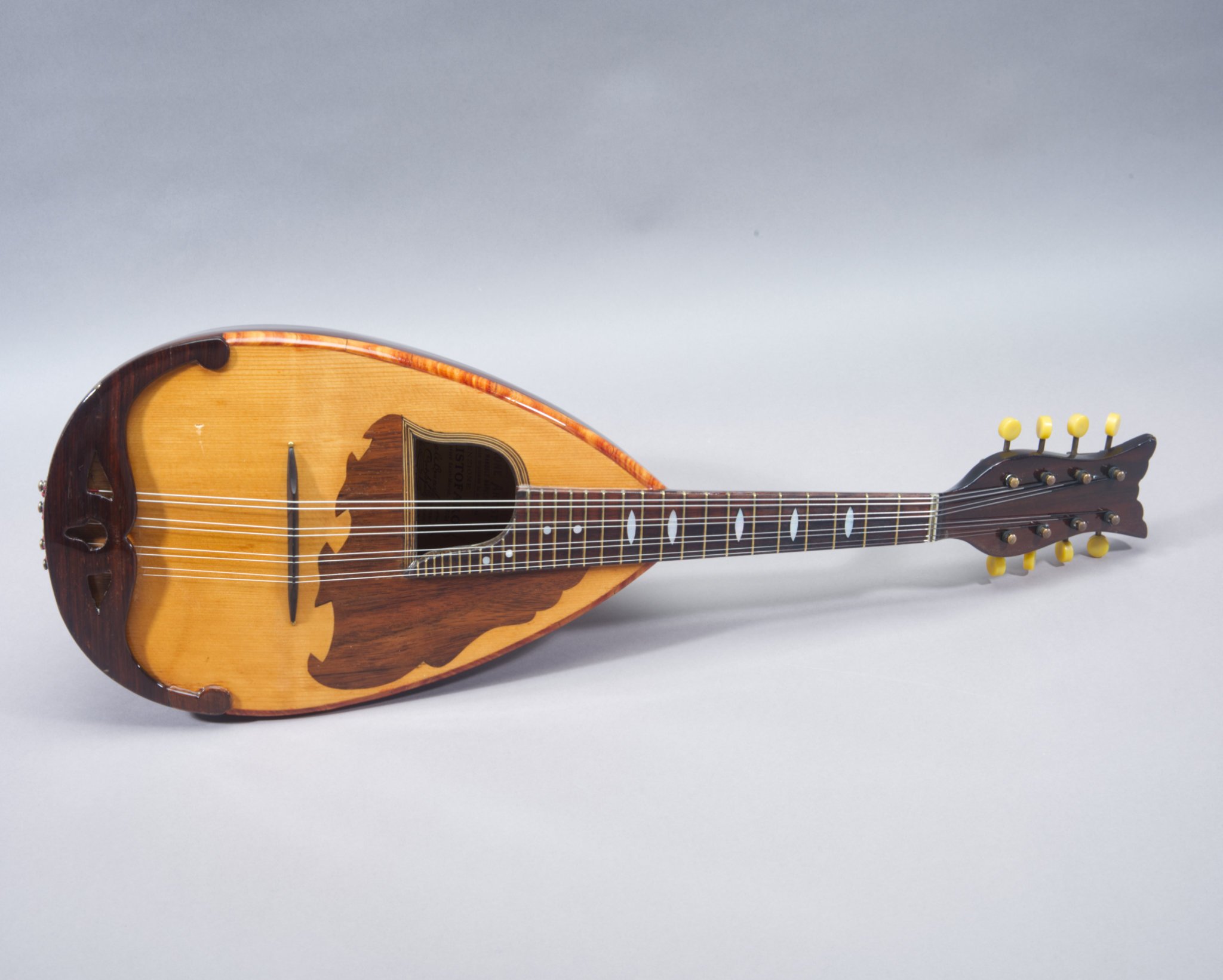
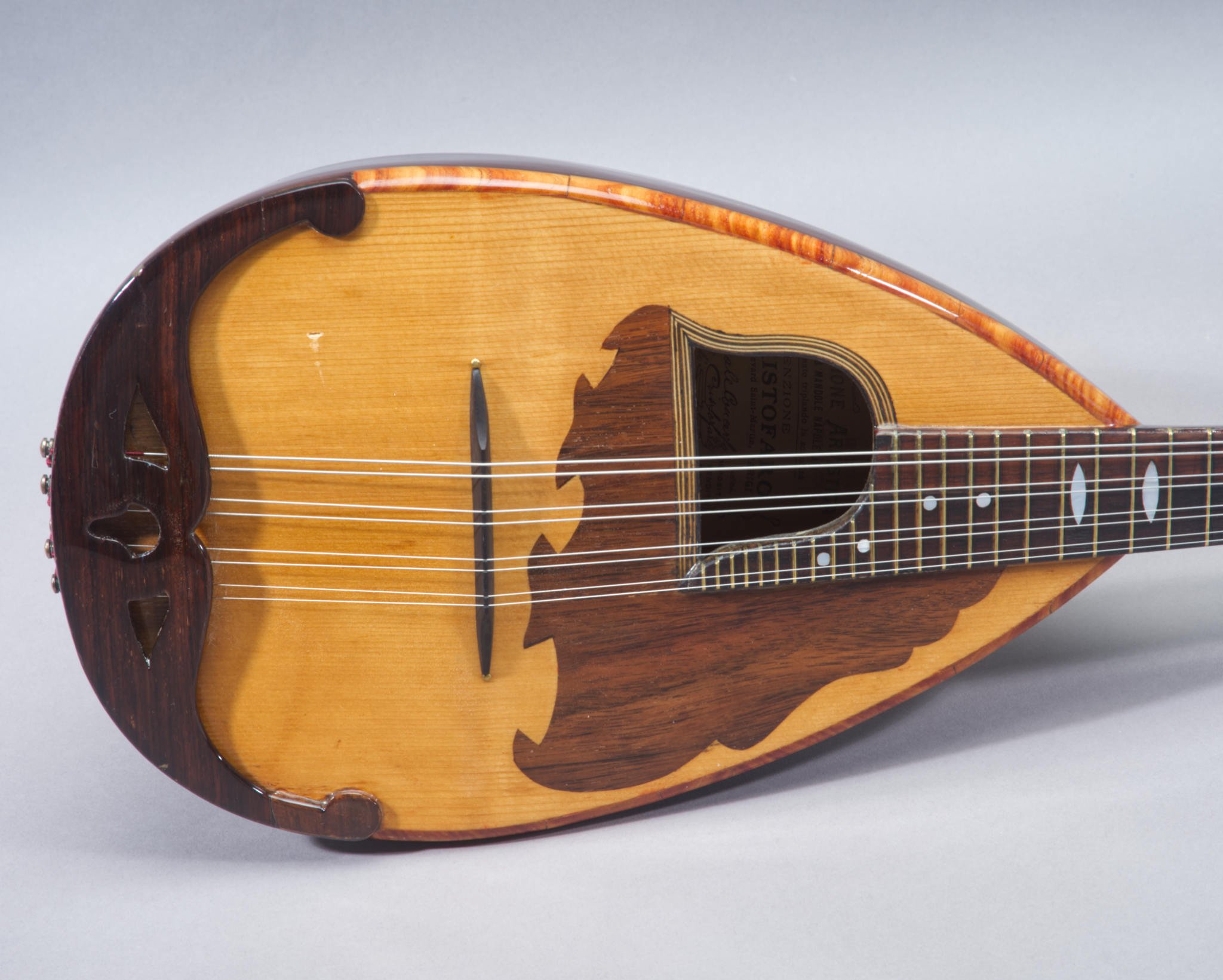
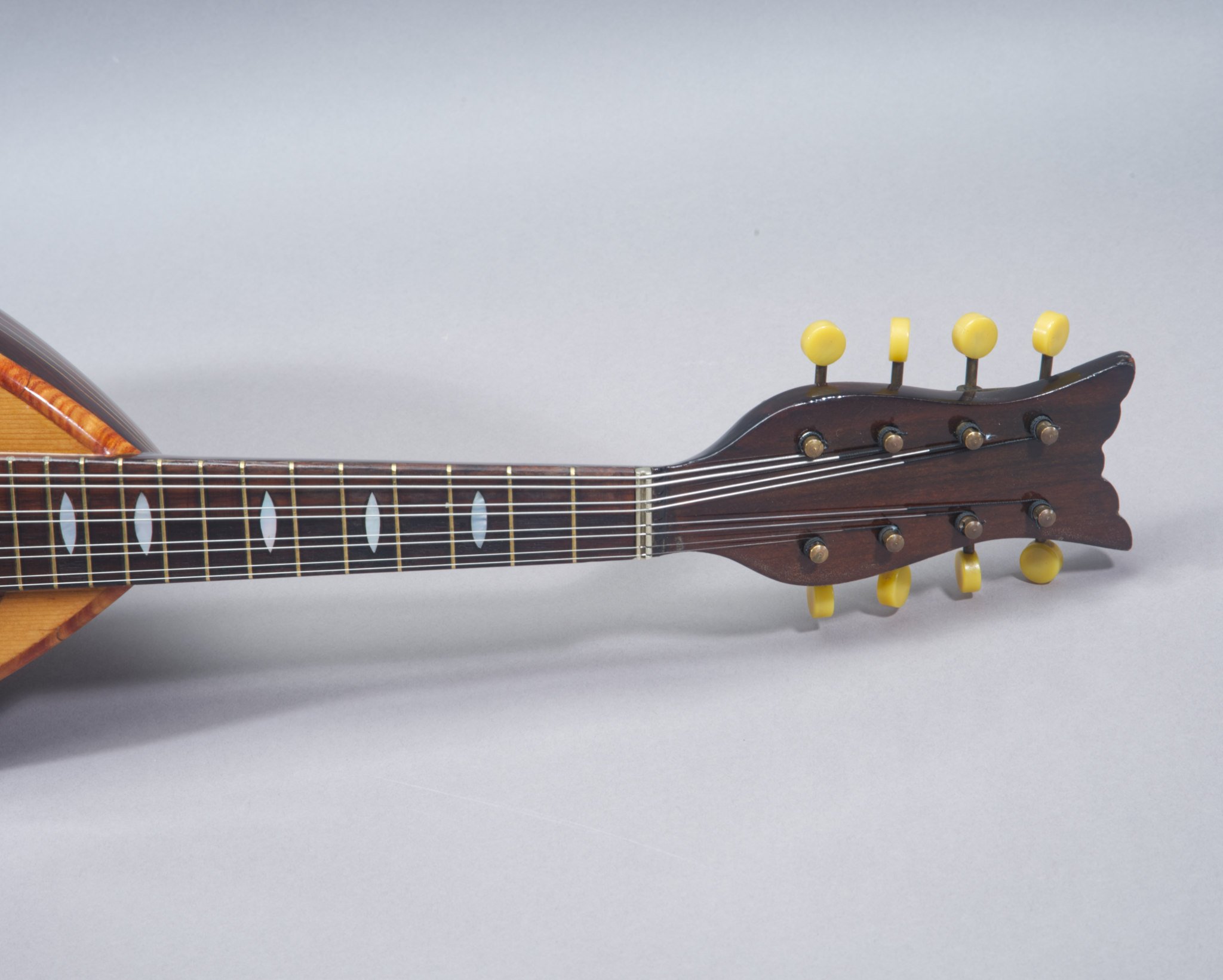
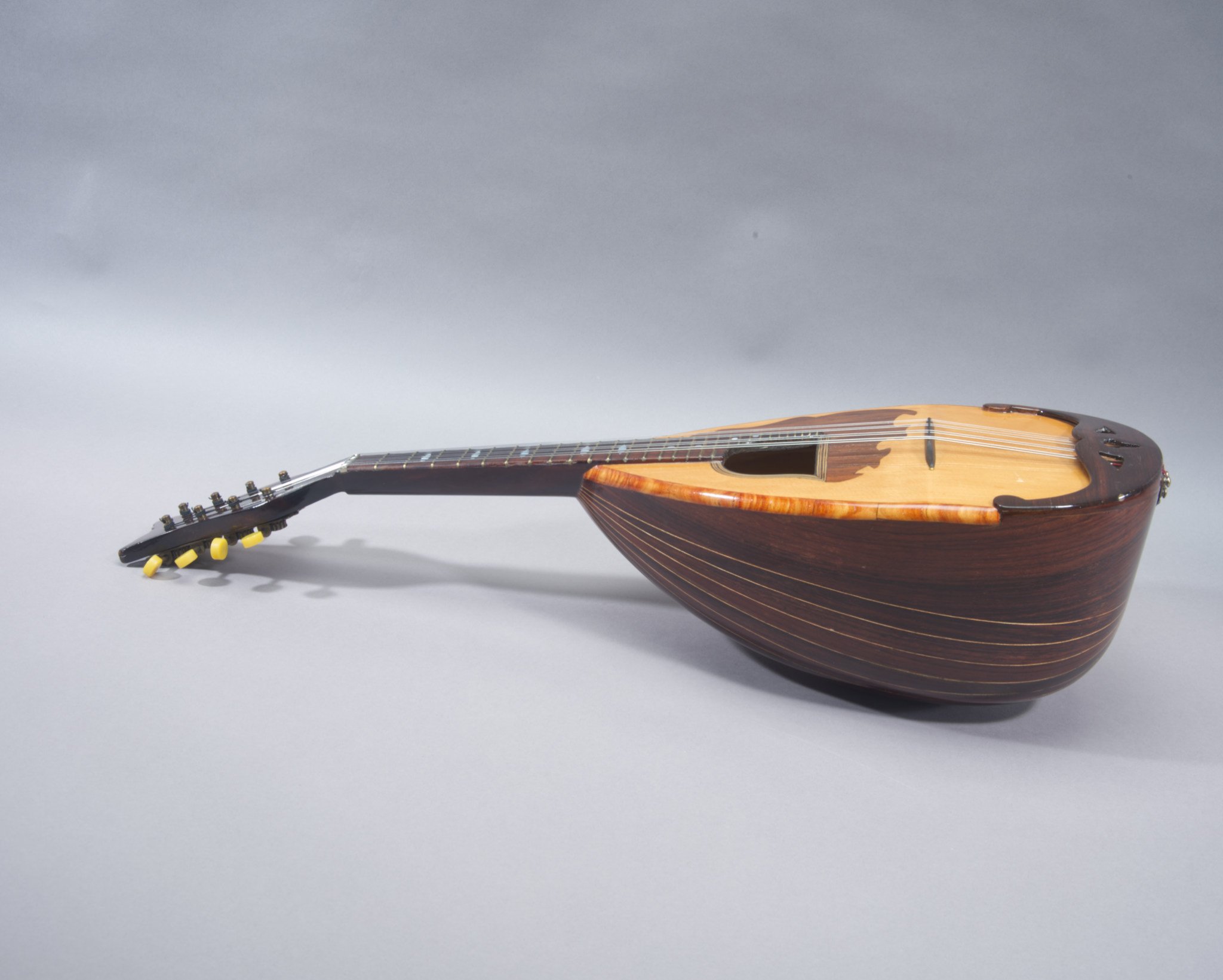
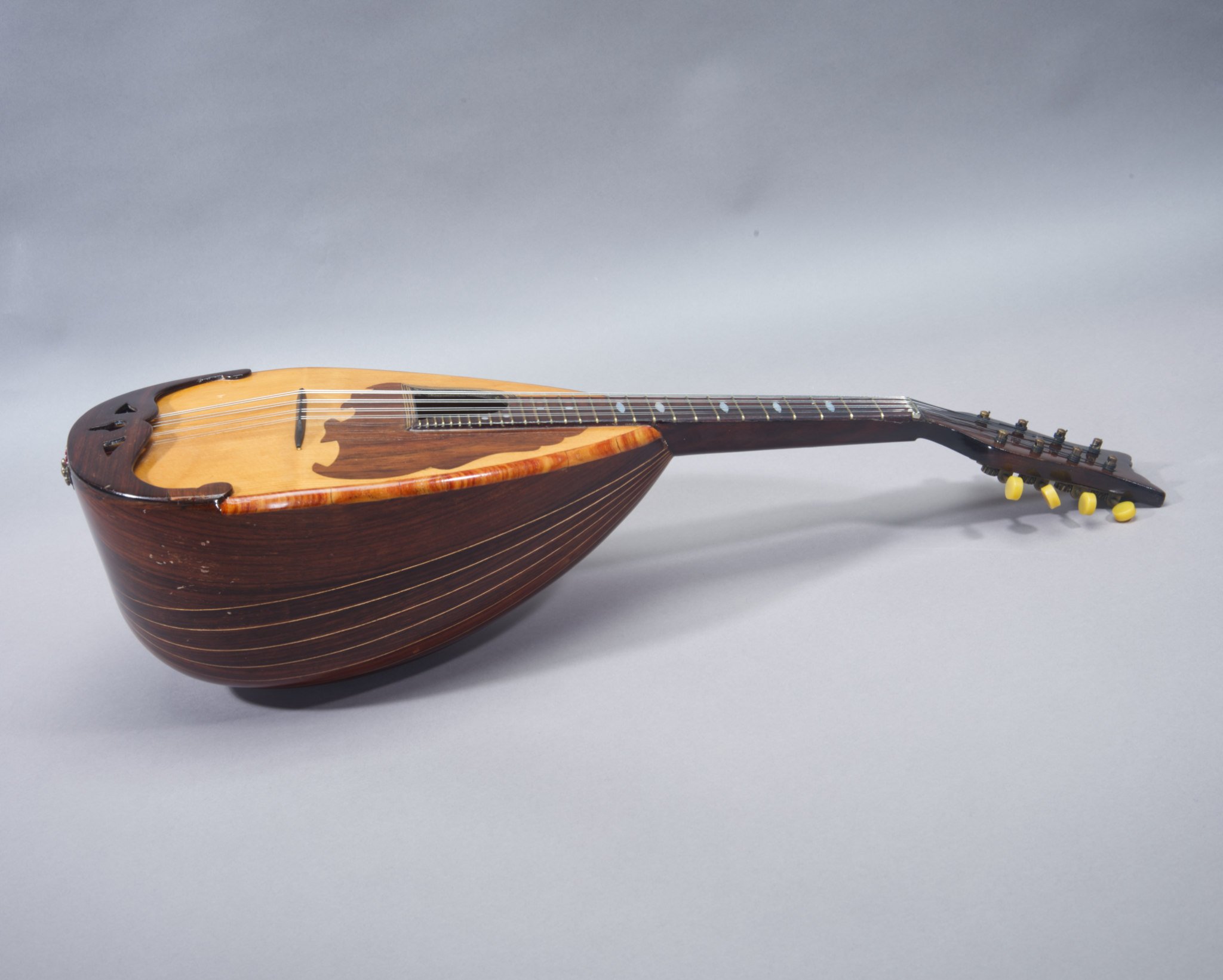
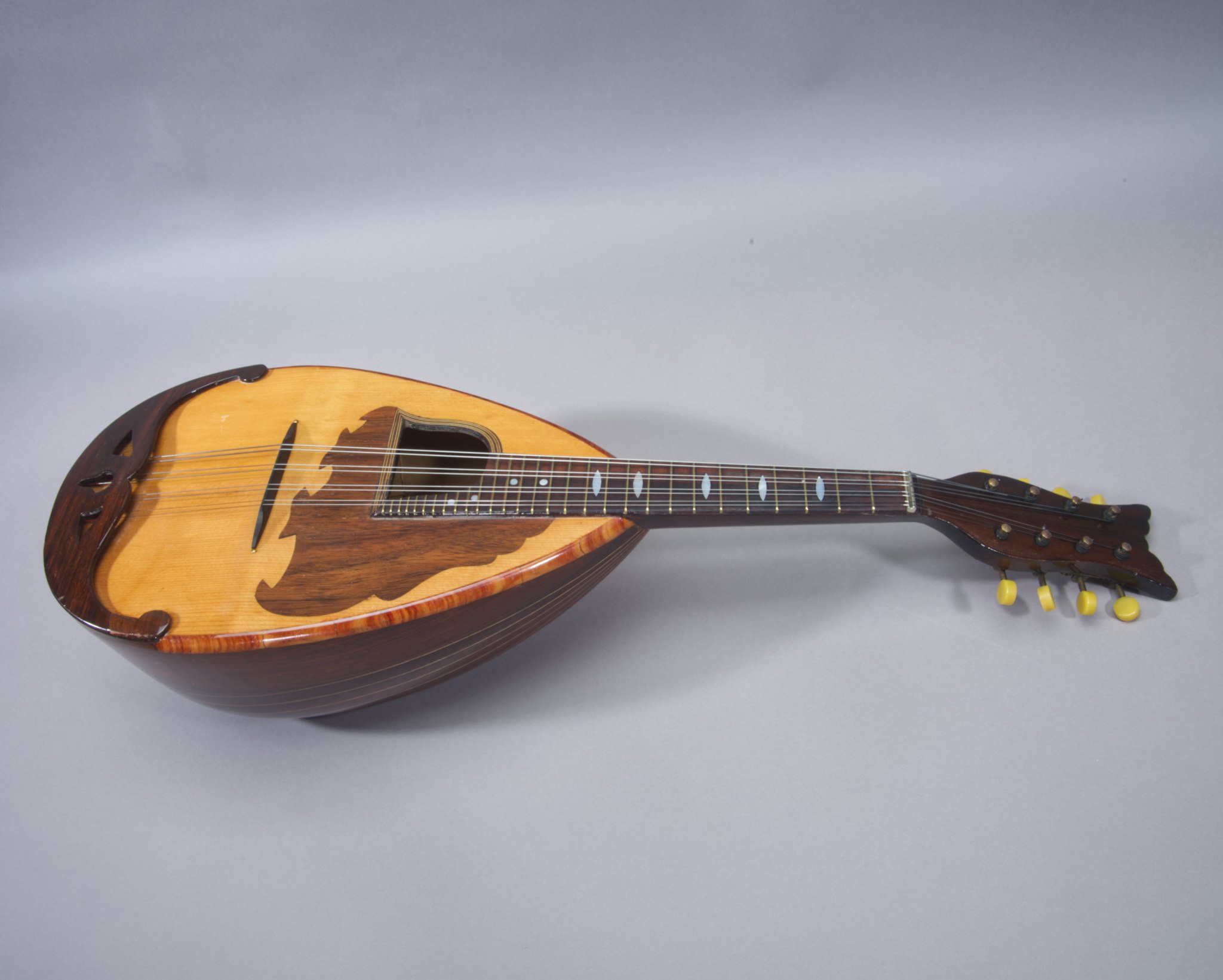
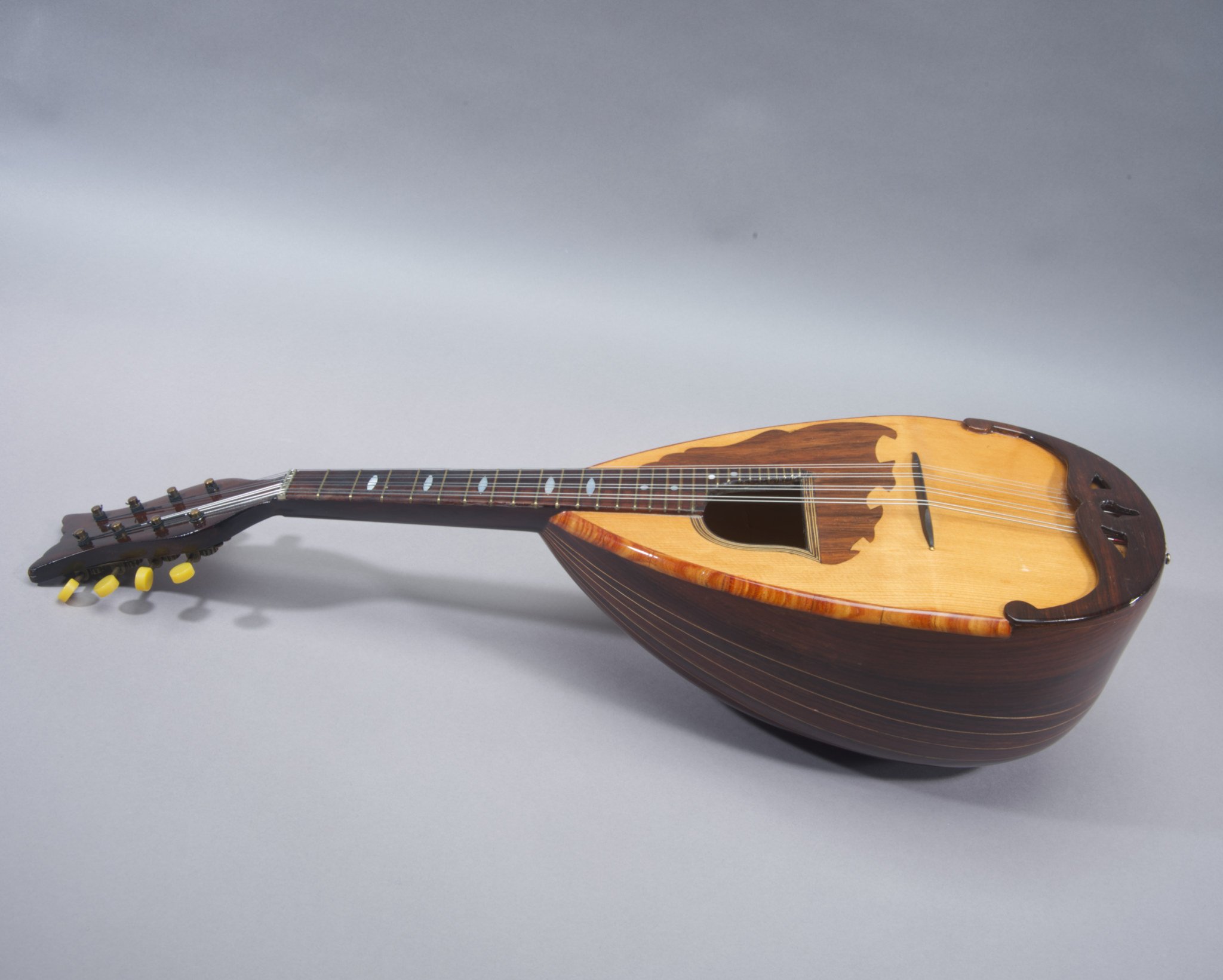
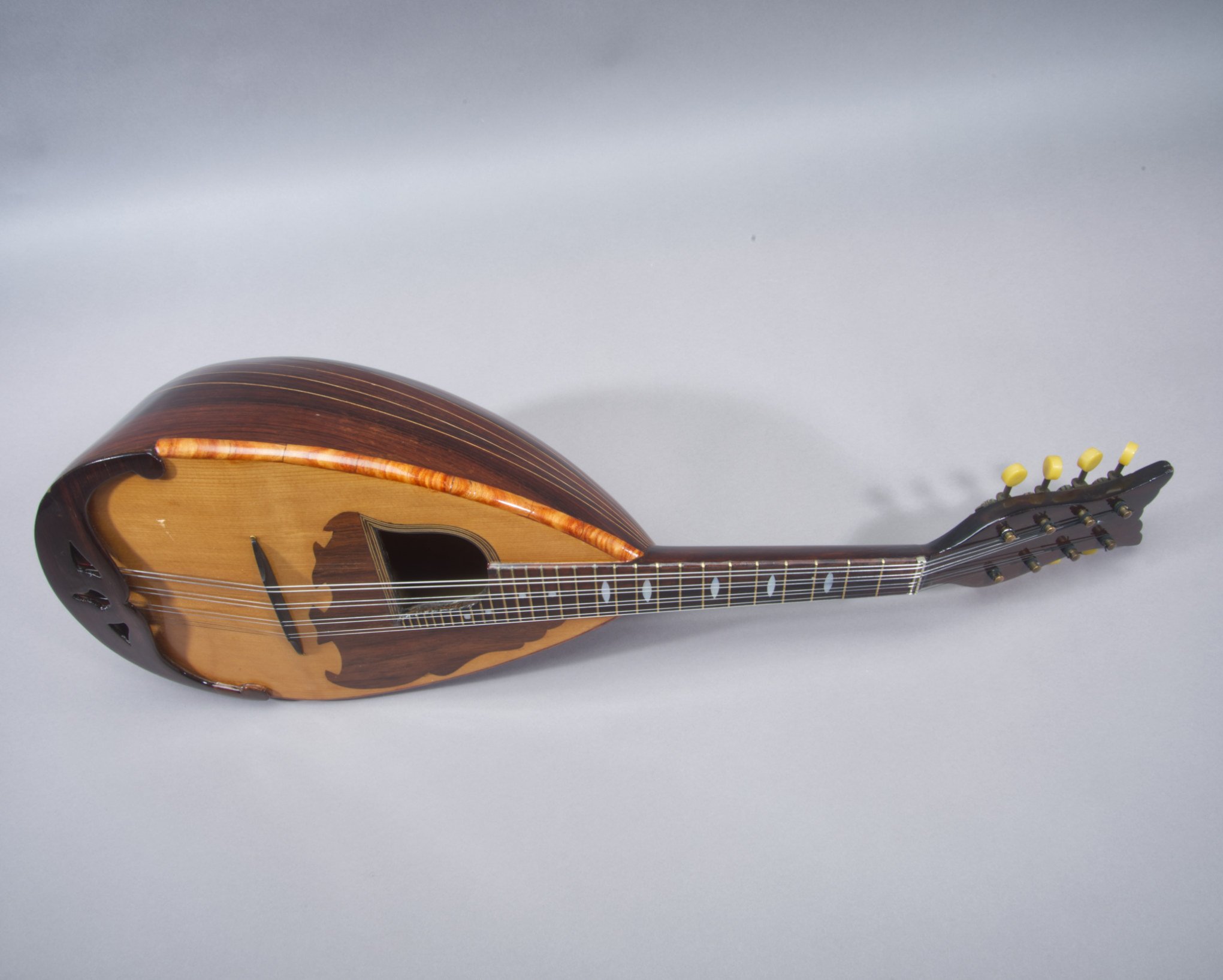
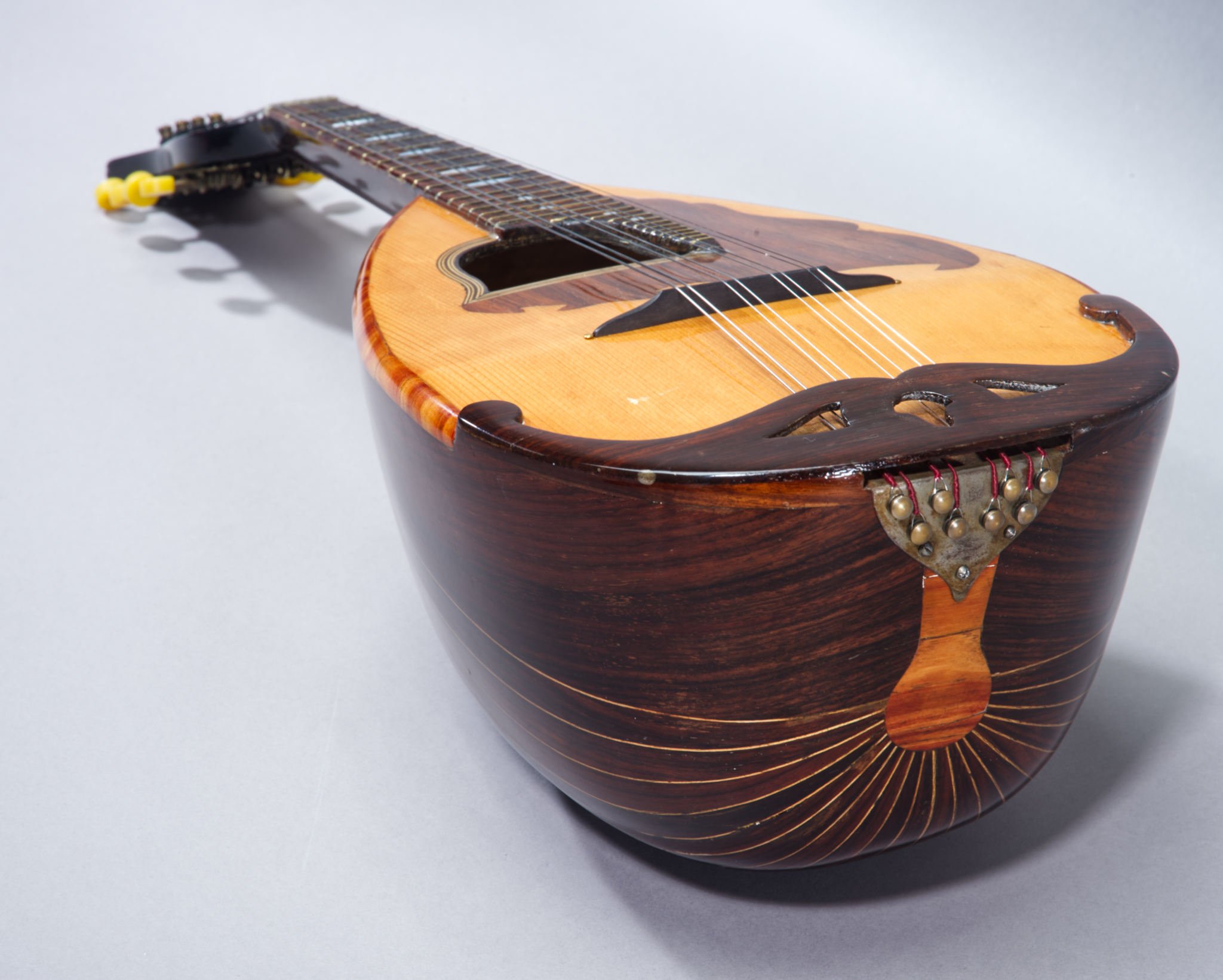
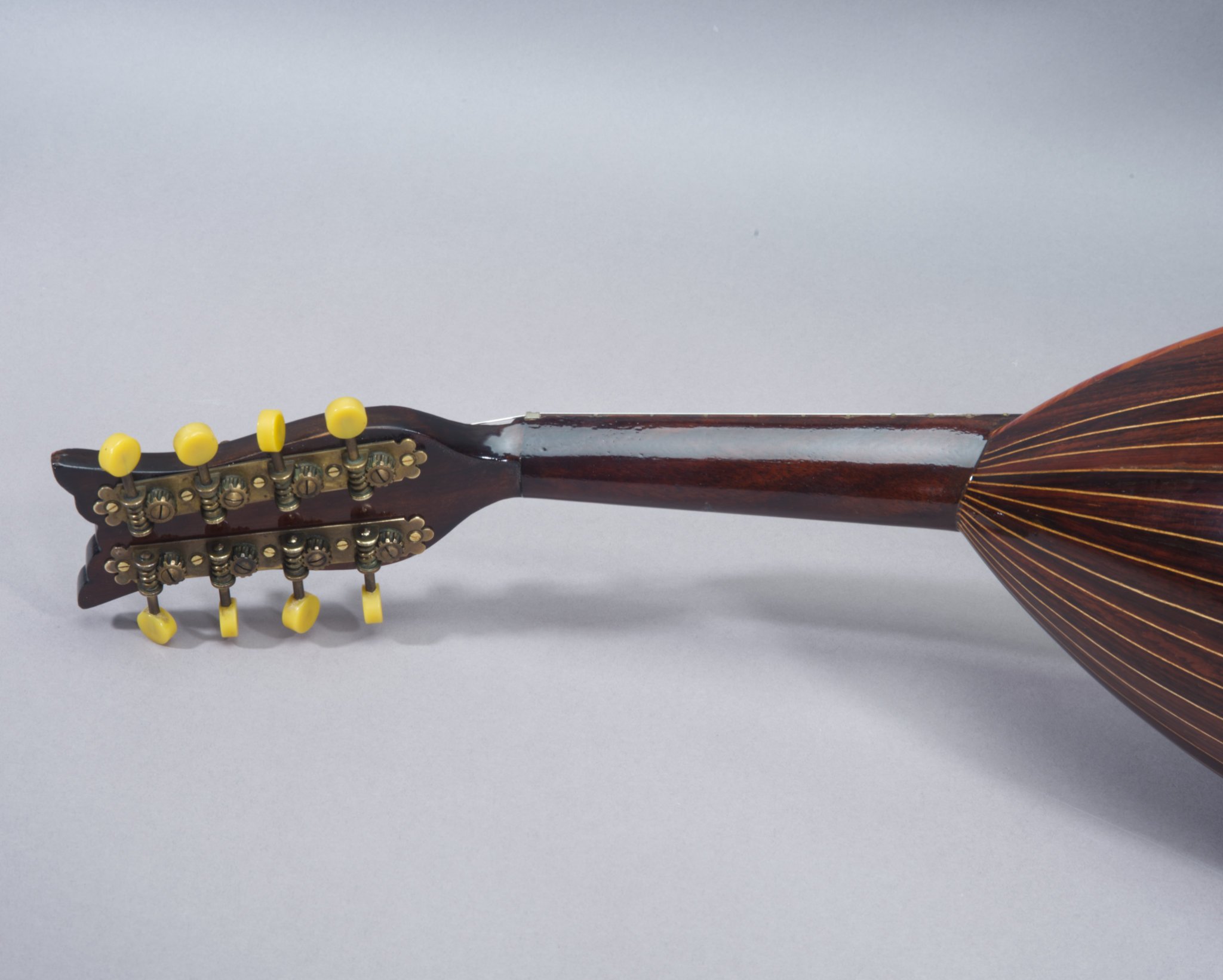
This concert mandolin, crafted in the early 1930s, is a remarkable example of the Neapolitan tradition. Its traditional bowl-back body, made from multiple ribs assembled according to the purest Neapolitan tradition, is paired here with an elegant side soundhole in a distinctive “D” shape, one of the most recognizable visual signatures of De Cristofaro instruments.
Beyond its singular aesthetic appeal, this design also contributes to the instrument’s acoustic identity by promoting direct sound projection and exceptional note definition.