Francesco Olivieri 1924 Classical Mandolin
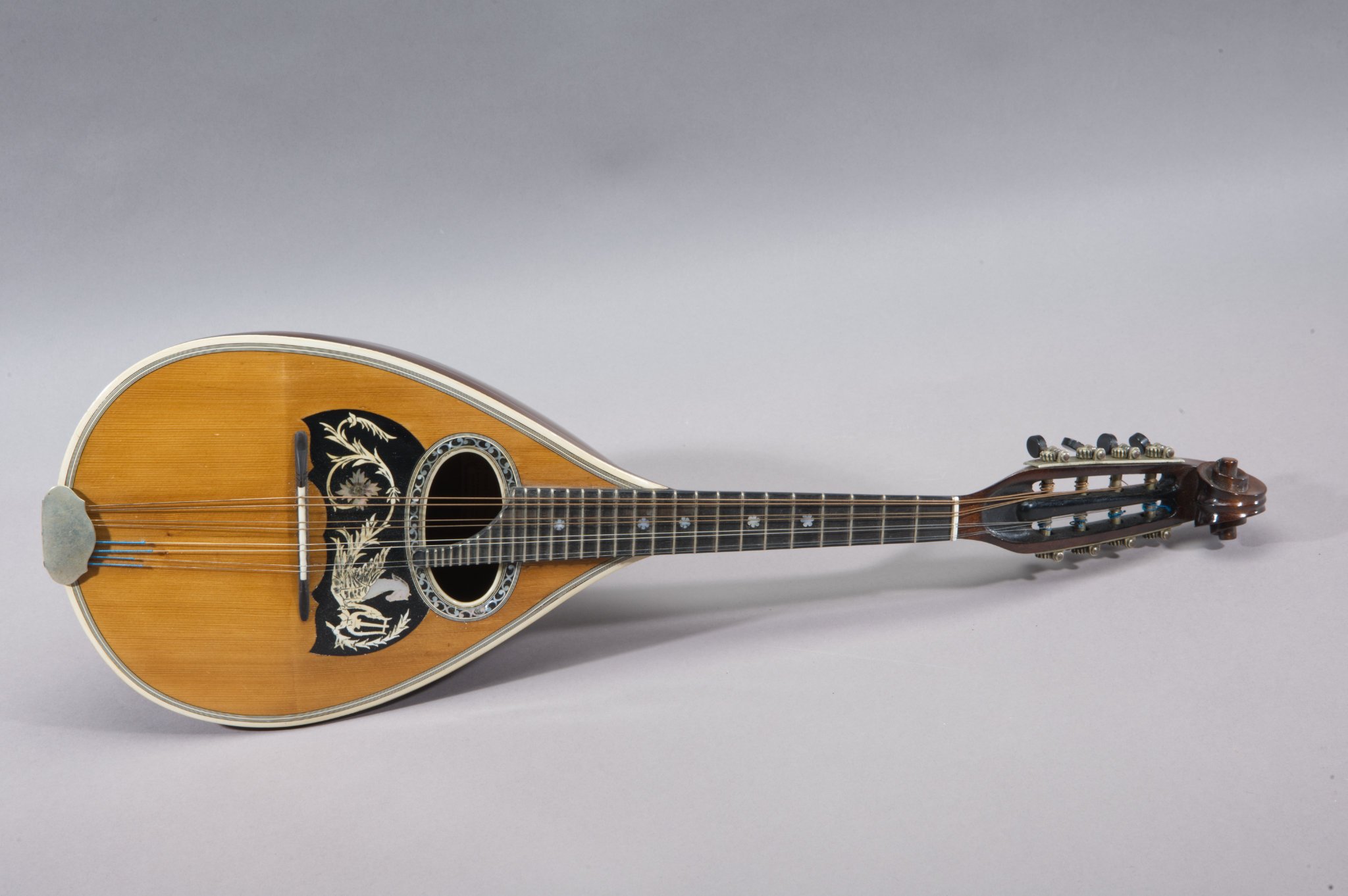
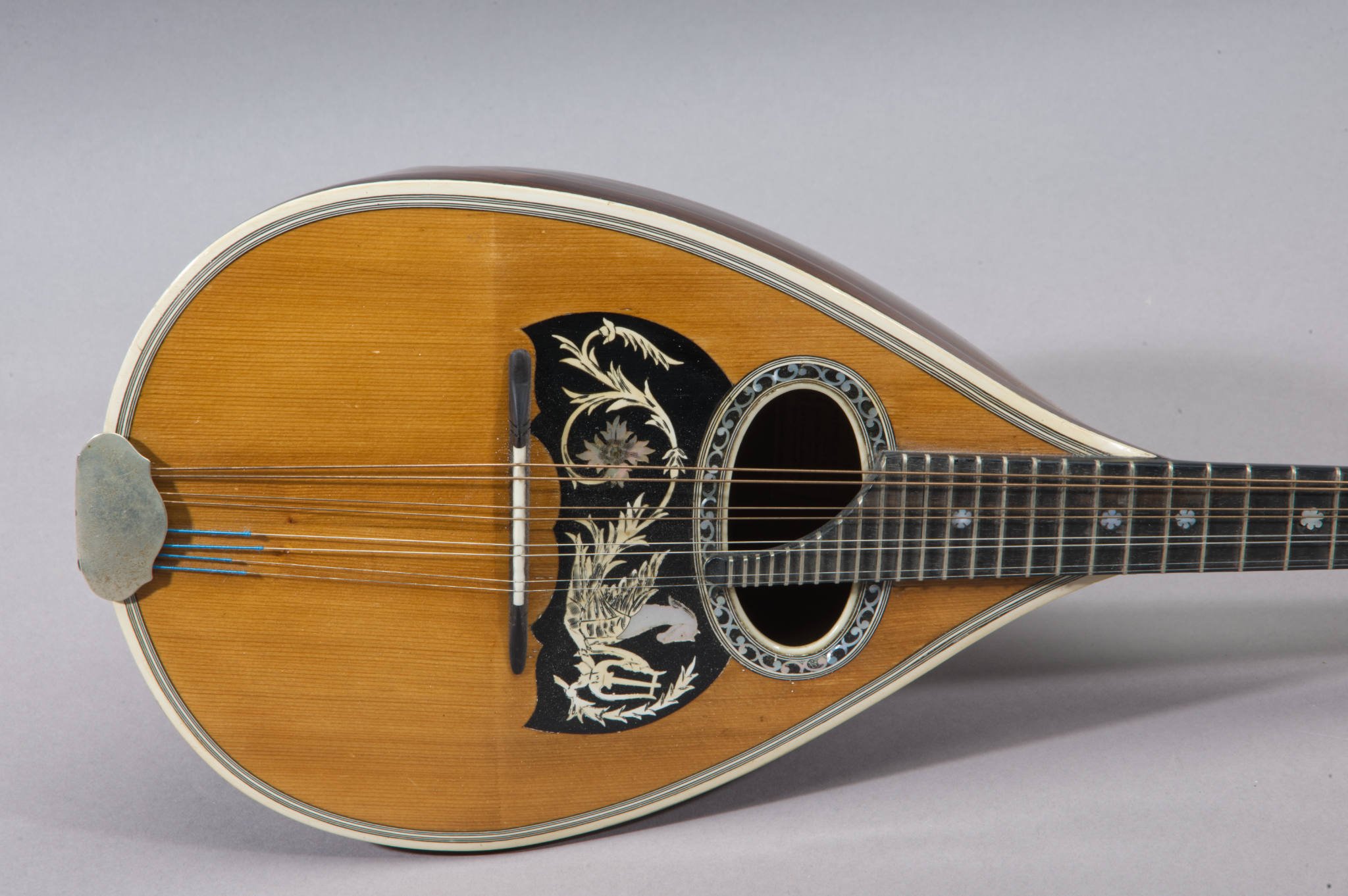
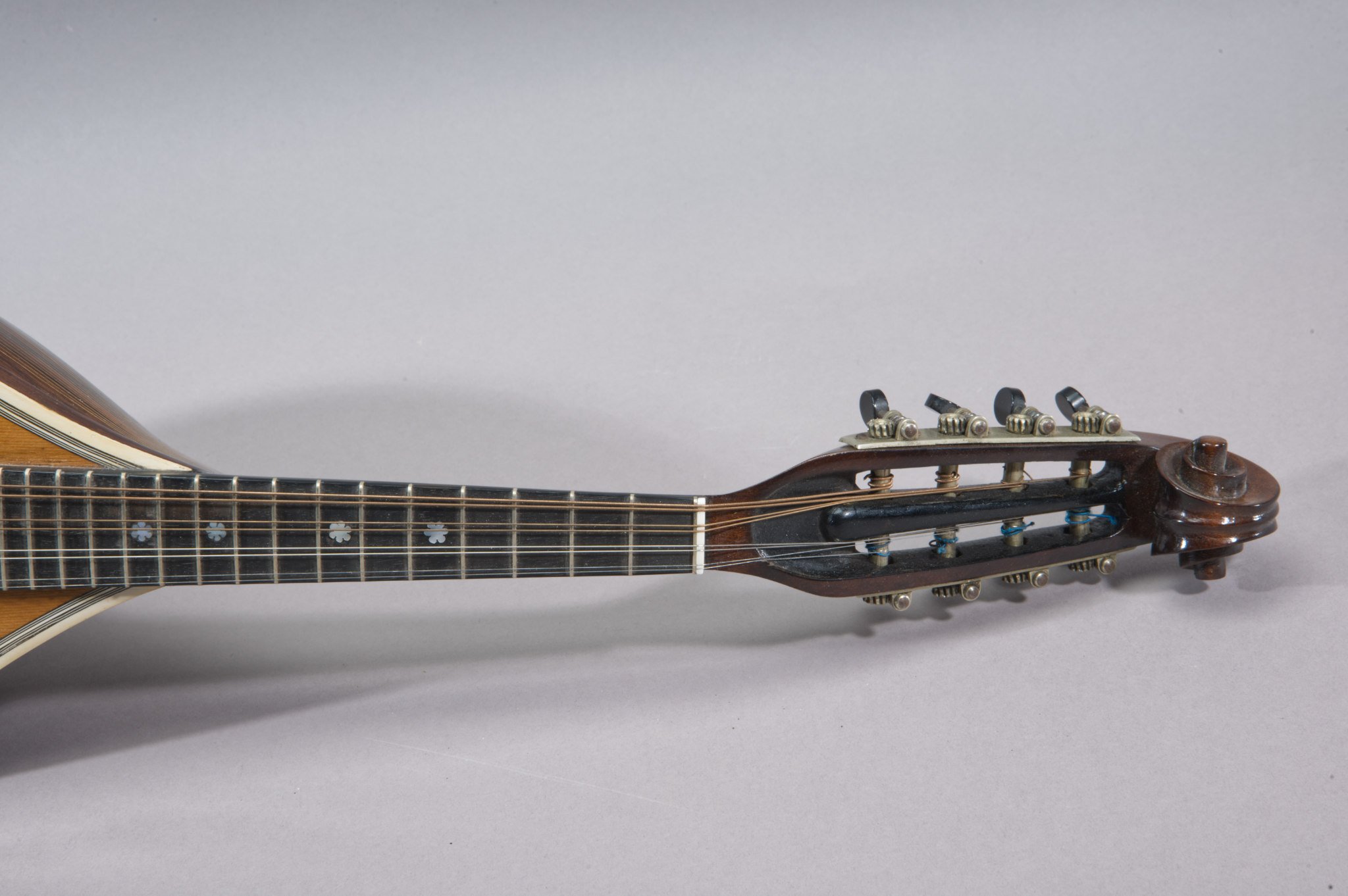
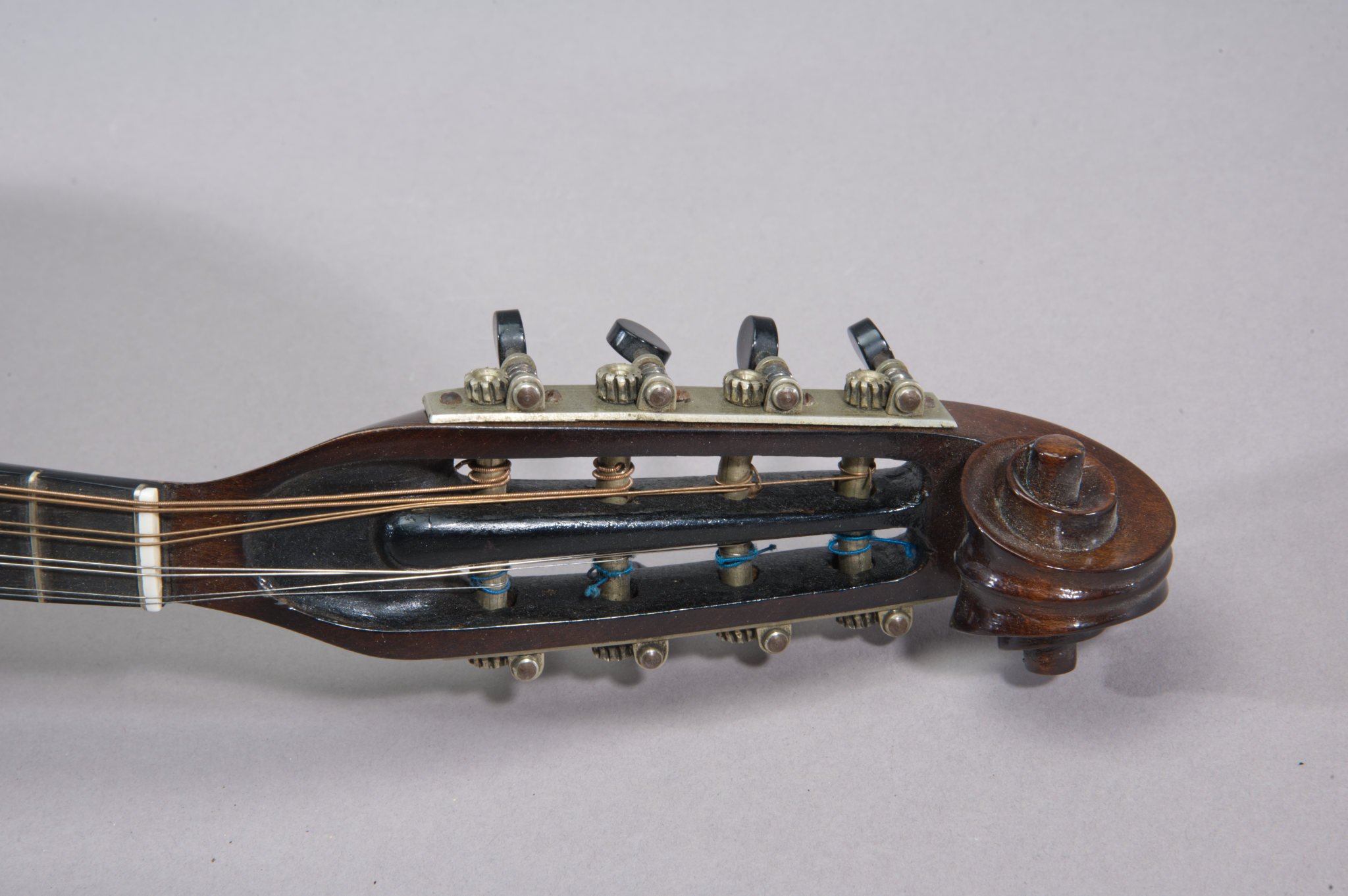
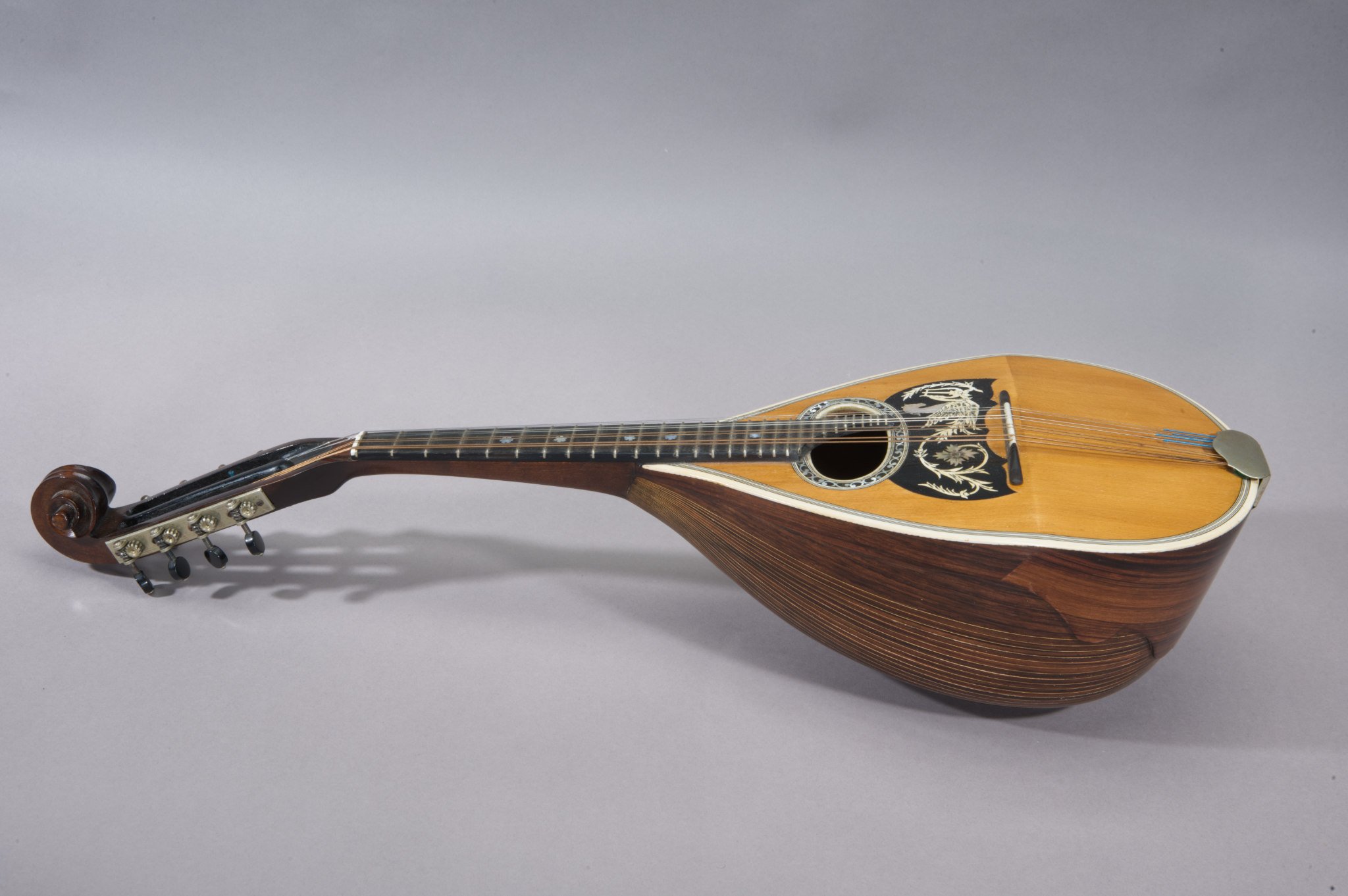
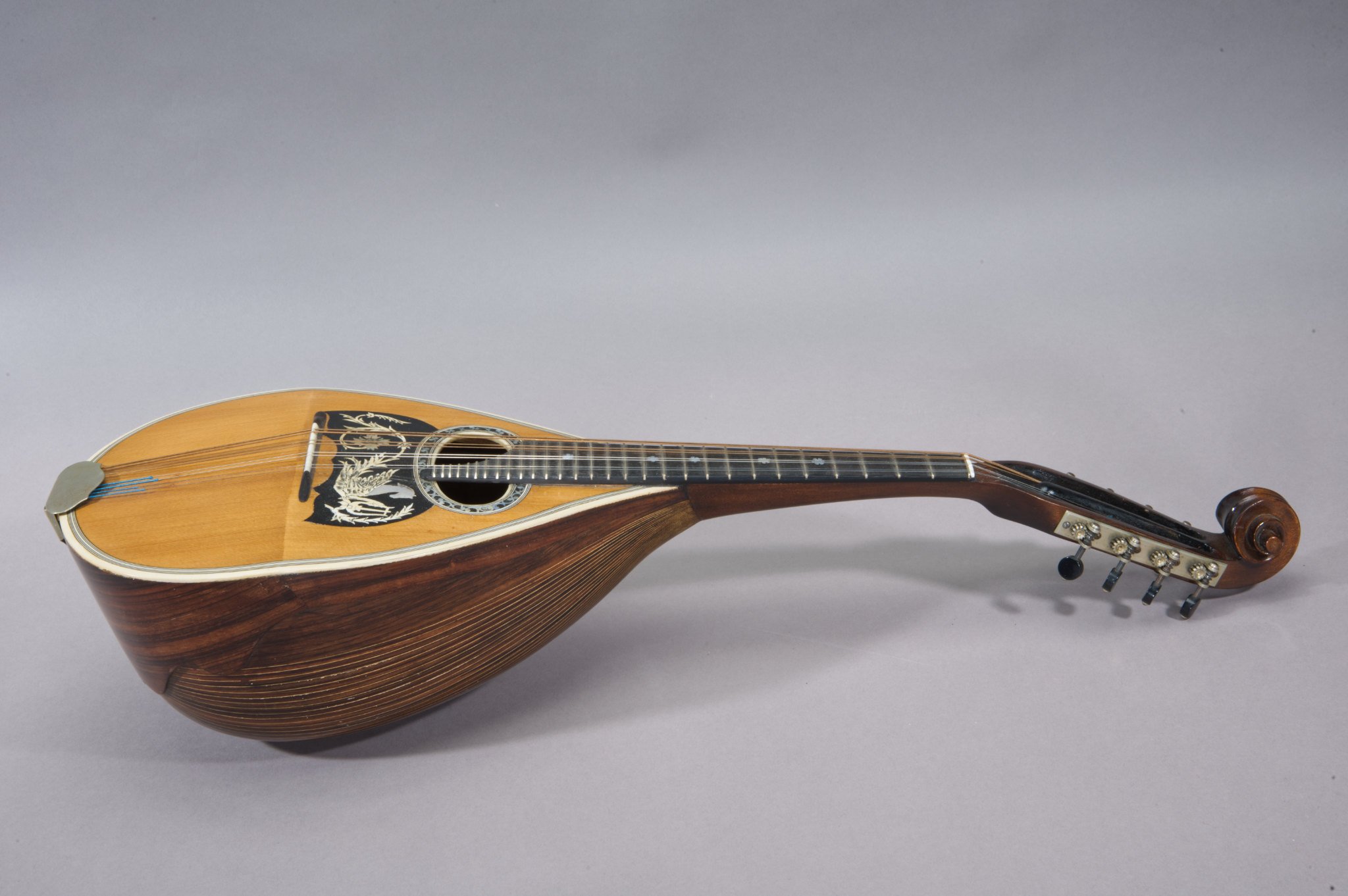
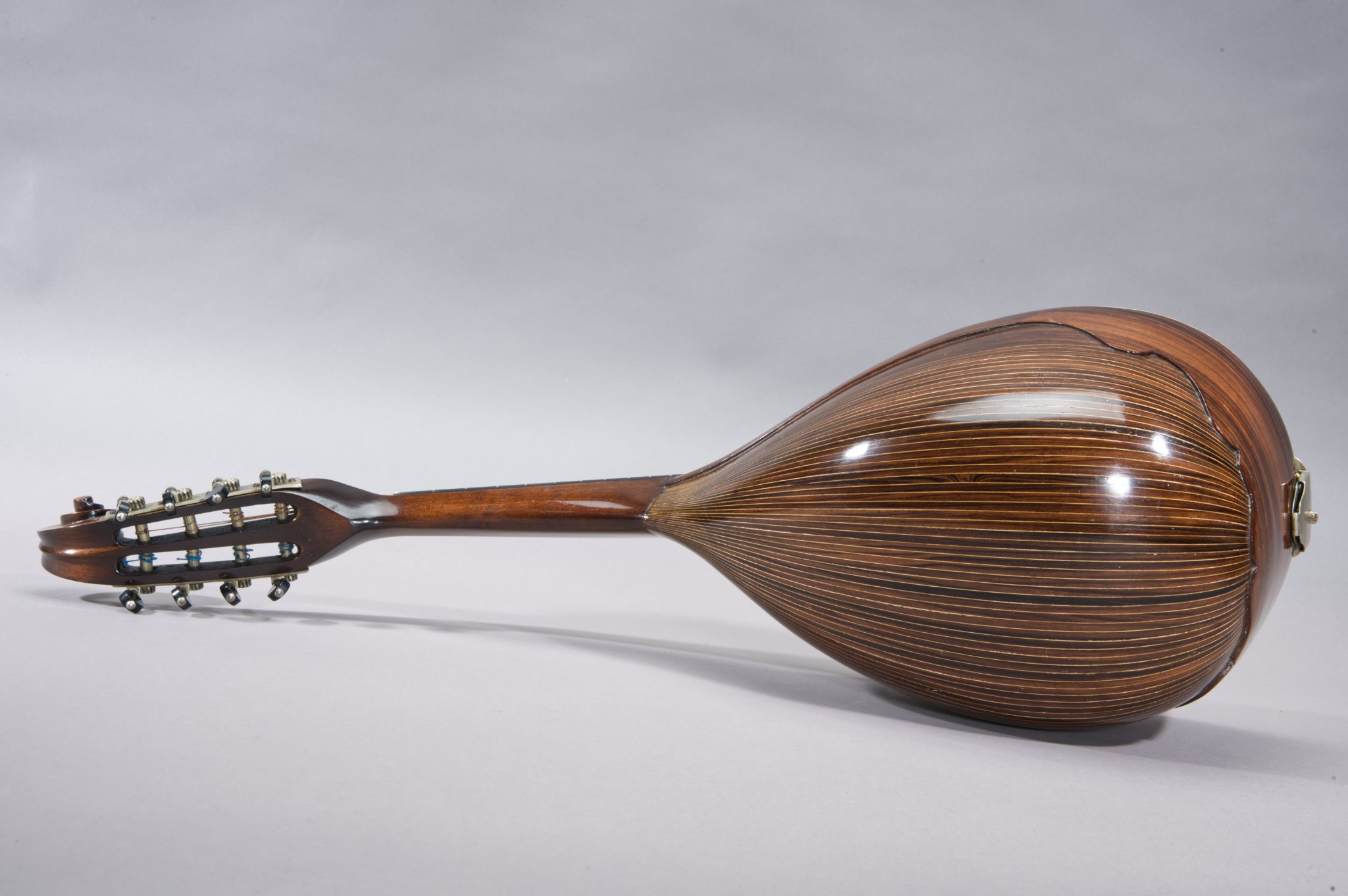
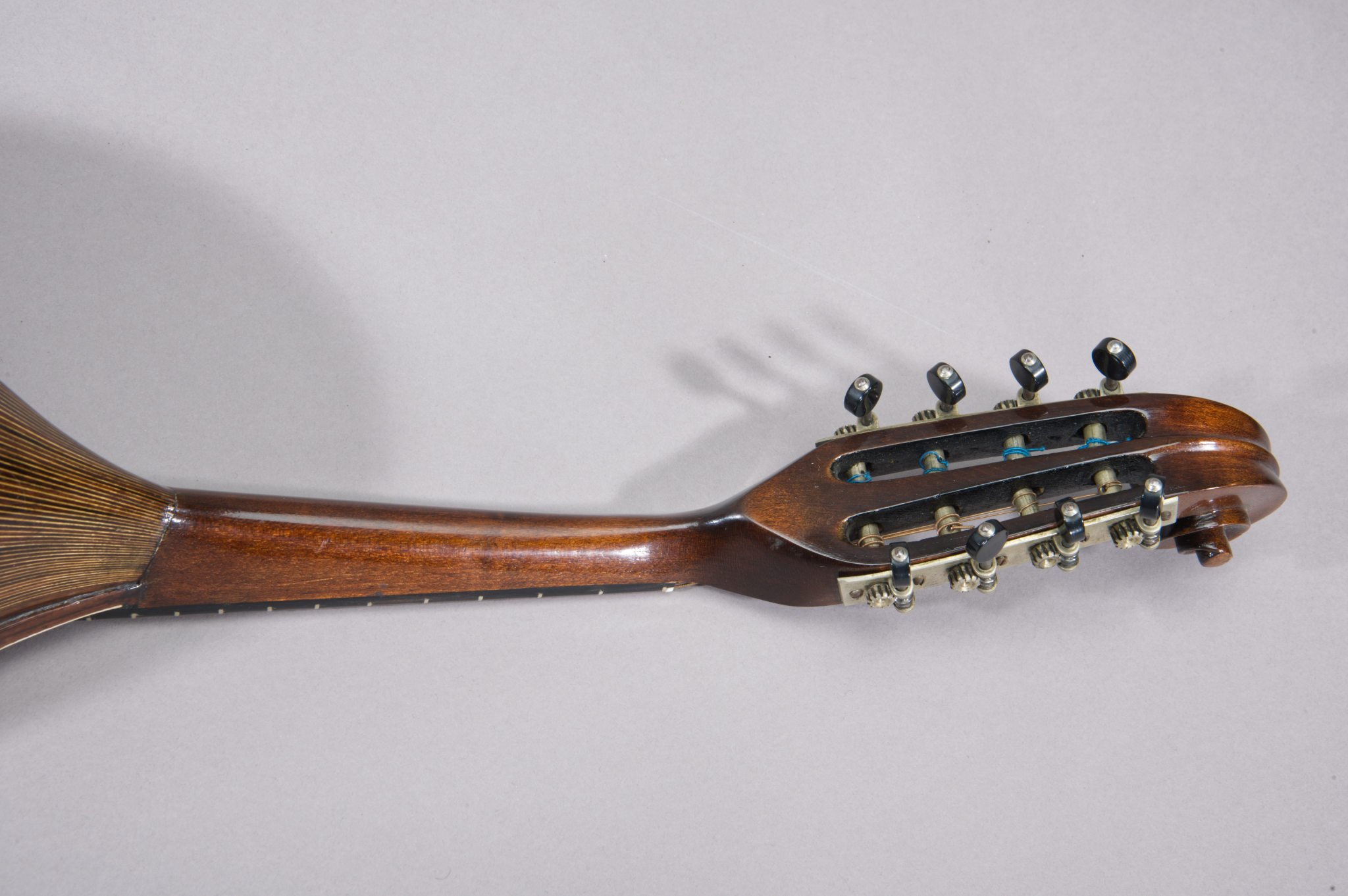

Francesco Olivieri 1924 Classical Mandolin
Francesco Olivieri was born in Catania on September 10, 1895, and passed away in Catania on November 3, 1979.
- Early years in Catania: He began working at a very young age, later honing his skills in Rome during his military service, before founding his own instrument-making workshop in Catania in the 1920s.
- Time in Paris: In the early 1930s, he opened a workshop in Paris, where he notably crafted Gypsy jazz guitars—the type associated with the world of Django Reinhardt.
- Return to Sicily: Shortly before the outbreak of the Second World War, he returned to Catania to continue the production of guitars, mandolins, and custom-made instruments.
He began working at the age of nine, initially as a puppeteer (performing in the "opera dei pupi"—the traditional Sicilian street-based puppet theater). Later, developing a passion for the craft of musical instrument making, he refined his skills in Rome while completing his military service. He established his own workshop in Catania and soon became a renowned master luthier, gaining international recognition for his guitars, mandolins, and banjos.
In 1923, he was honored at the "Esposizione Internazionale Industrie e Lavoro" (International Exhibition of Industry and Labor) in Milan, where he received a Grand Prix and a gold medal for his guitars and mandolins. That same year, in Paris, he was also awarded a Grand Prix and a gold medal for his guitars at the "Exposition Internationale du Progrès Moderne" (International Exhibition of Modern Progress). He exhibited his musical instruments at the 3rd Tripoli Trade Fair (1929), organized by the government of Tripolitania, as well as at the National Exhibition of Small Industries and Crafts, held in Florence in 1926 under the auspices of the Chamber of Commerce and Industry.
Before the Second World War, when Mussolini restricted exports abroad, Olivieri moved to Paris with his entire family. However, upon the outbreak of the conflict, he chose to return promptly to Italy—thereby refusing to become a naturalized French citizen—and started over from scratch in Catania, where he re-established his musical instrument workshop in the heart of Via Crociferi.
In 1954, he won a silver medal at the 2nd National Competition for Contemporary Lute-making in Rome, organized by the Accademia Nazionale di Santa Cecilia and the National Association of Lute-makers.
He also participated in the National and International Crafts Exhibition in Florence in 1957.
He received a "Diploma of Dedication to Craftsmanship," awarded by the Provincial Union of Craft Enterprises in Catania on May 1, 1970.
He was an honorary member of the Accademia di Santa Cecilia in Rome.
He passed away in Catania on November 3, 1979.