Grand Guitar Co 1975 WSF100 Amber Natural
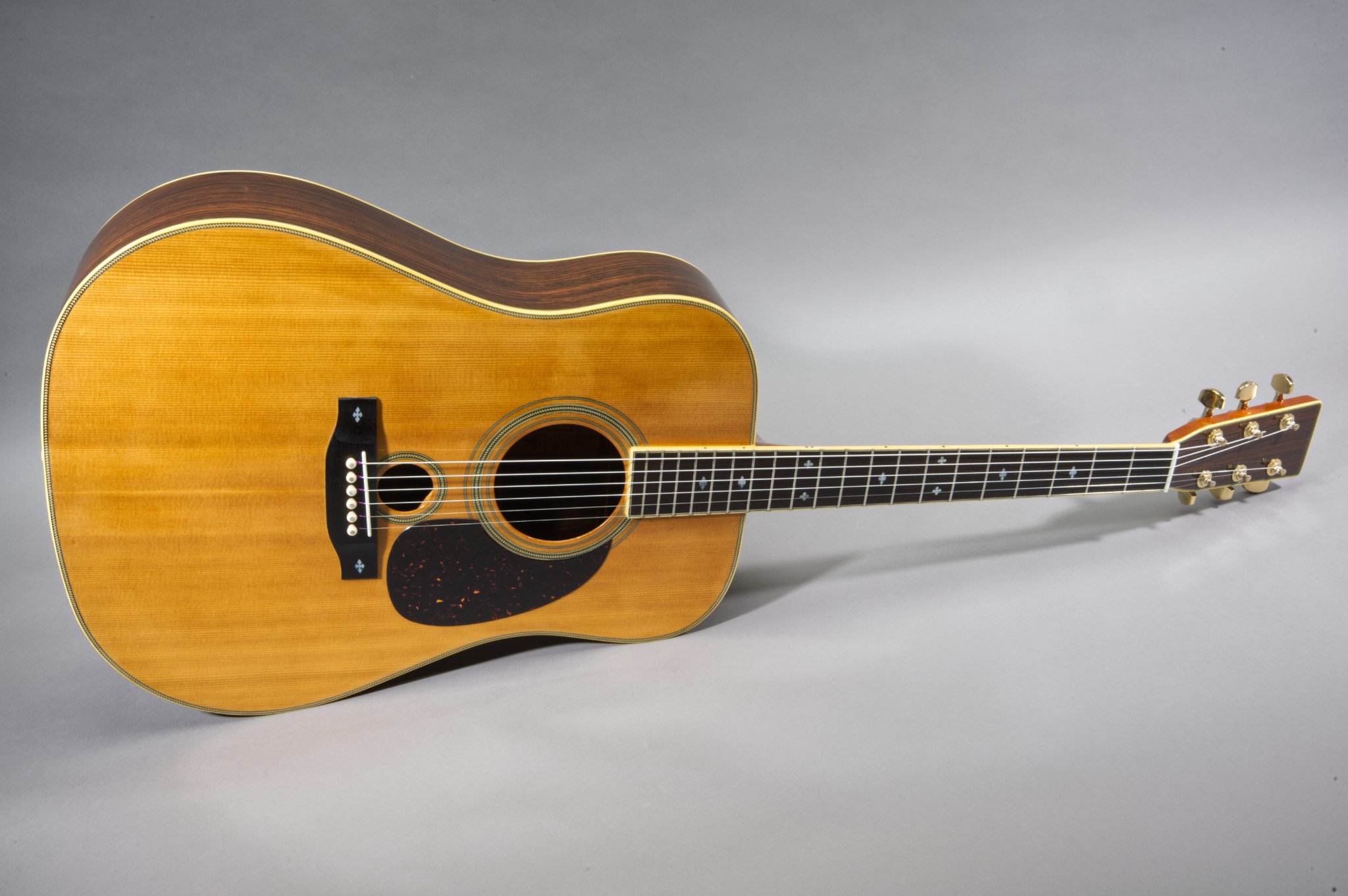
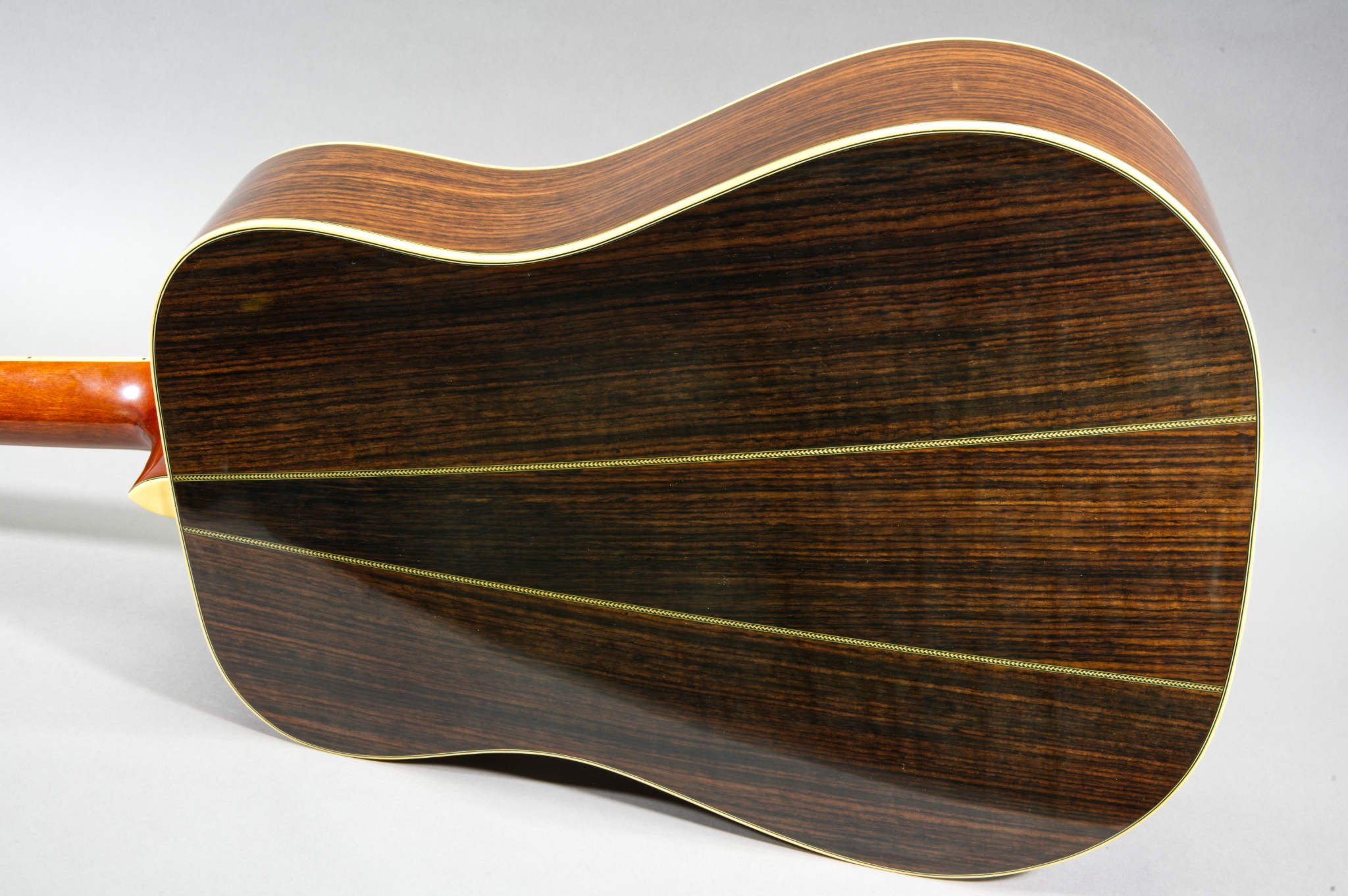
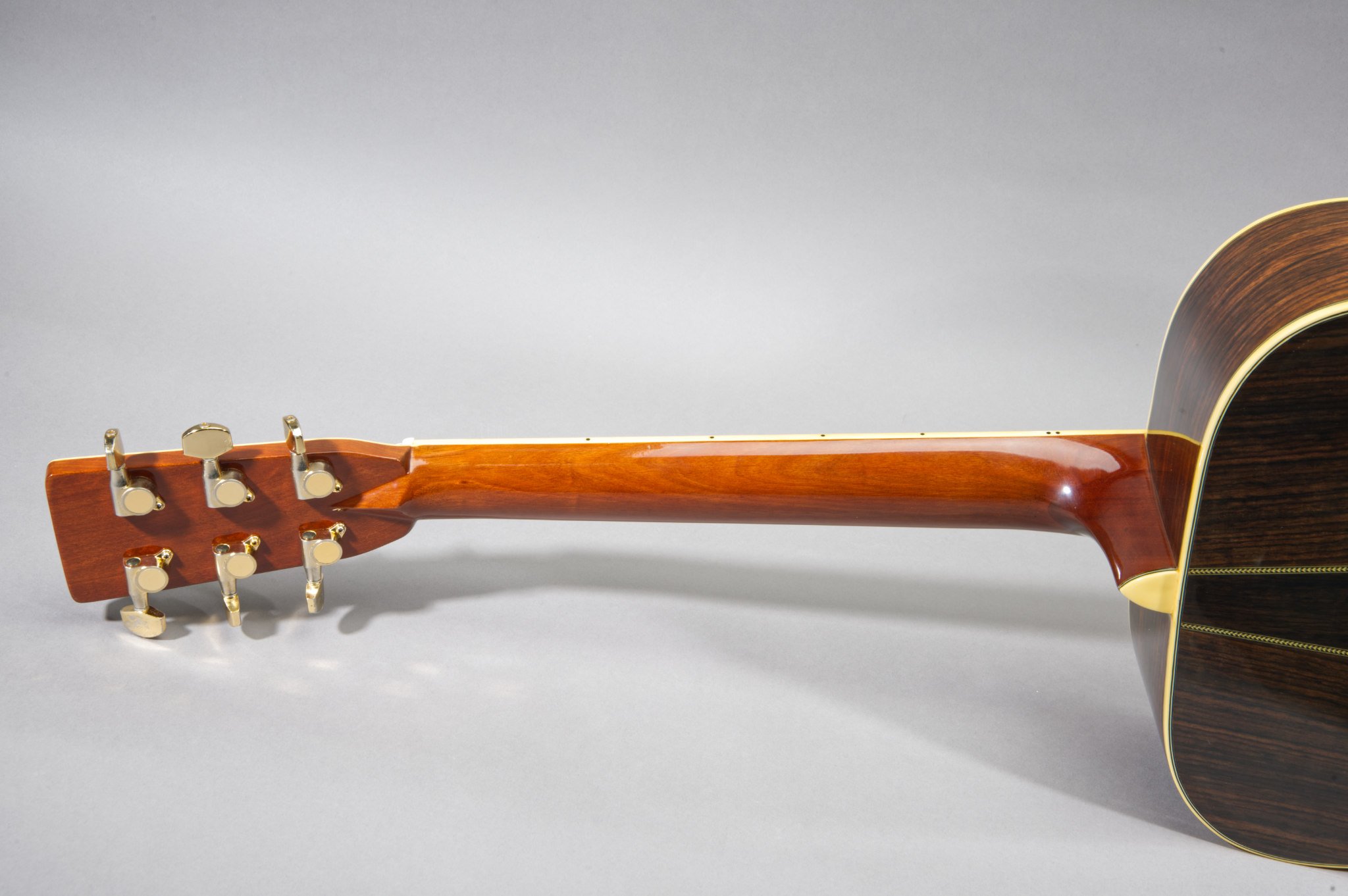
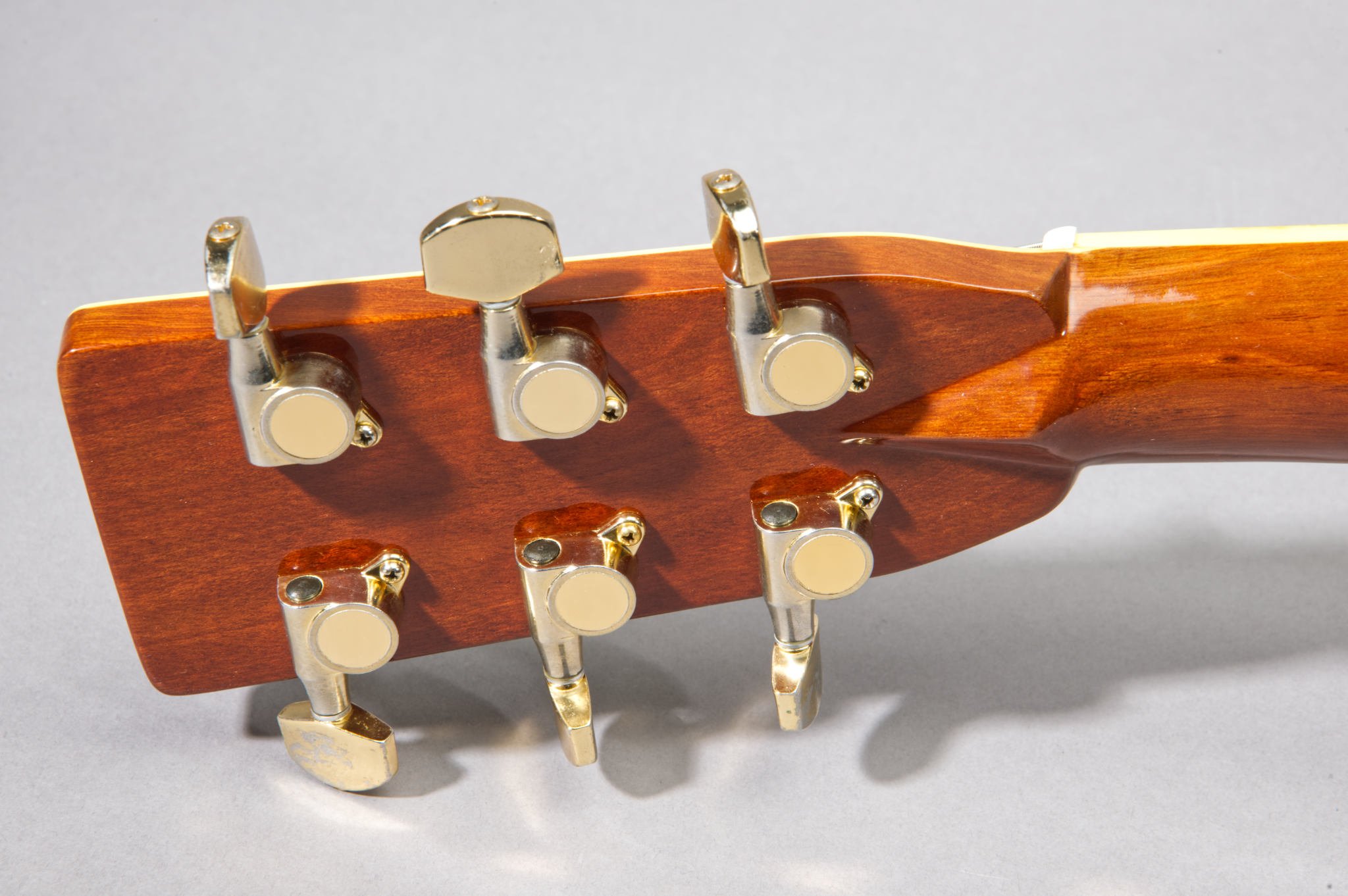

Grand Guitar Co 1975 WSF100 Amber Natural
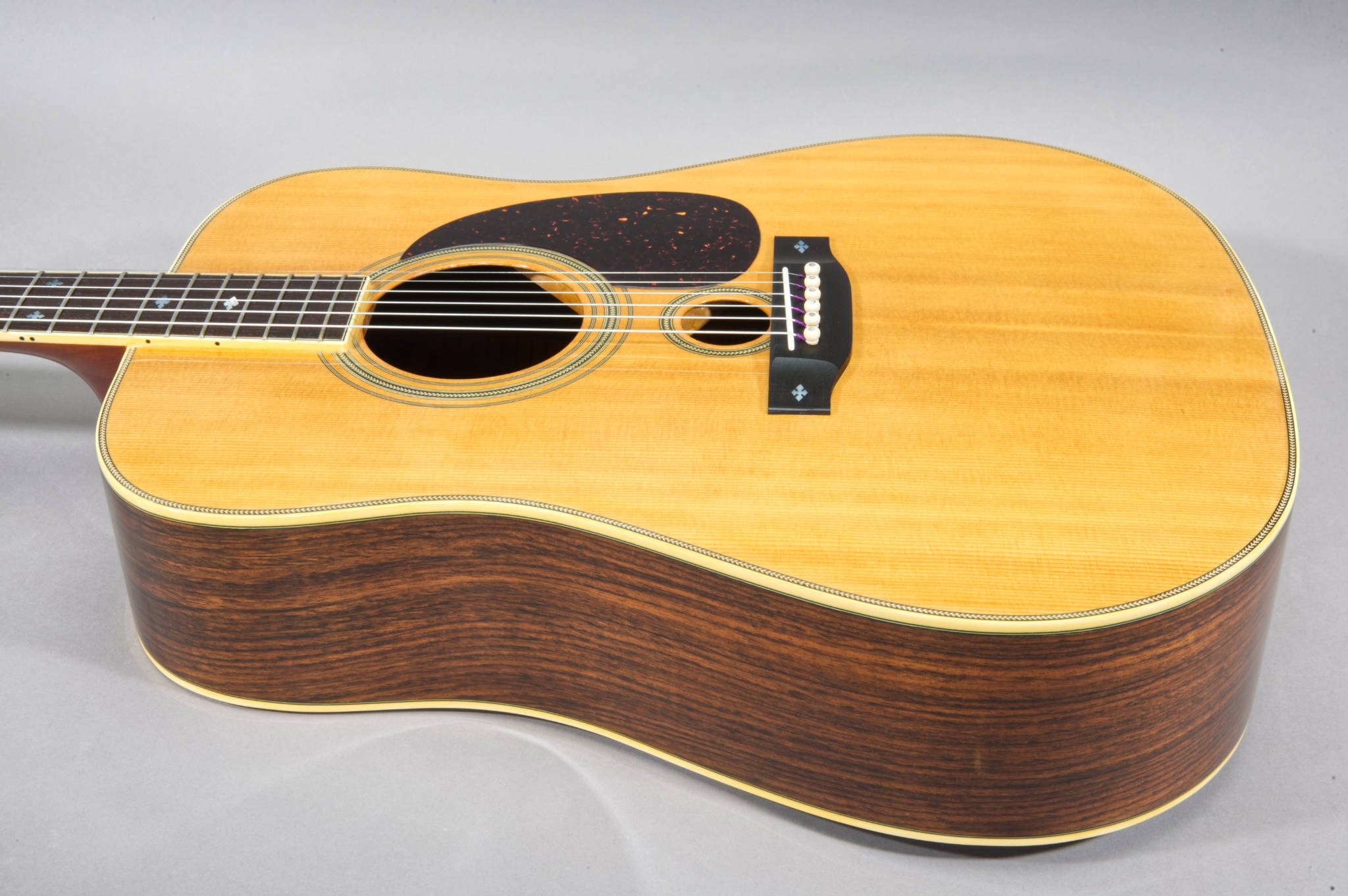
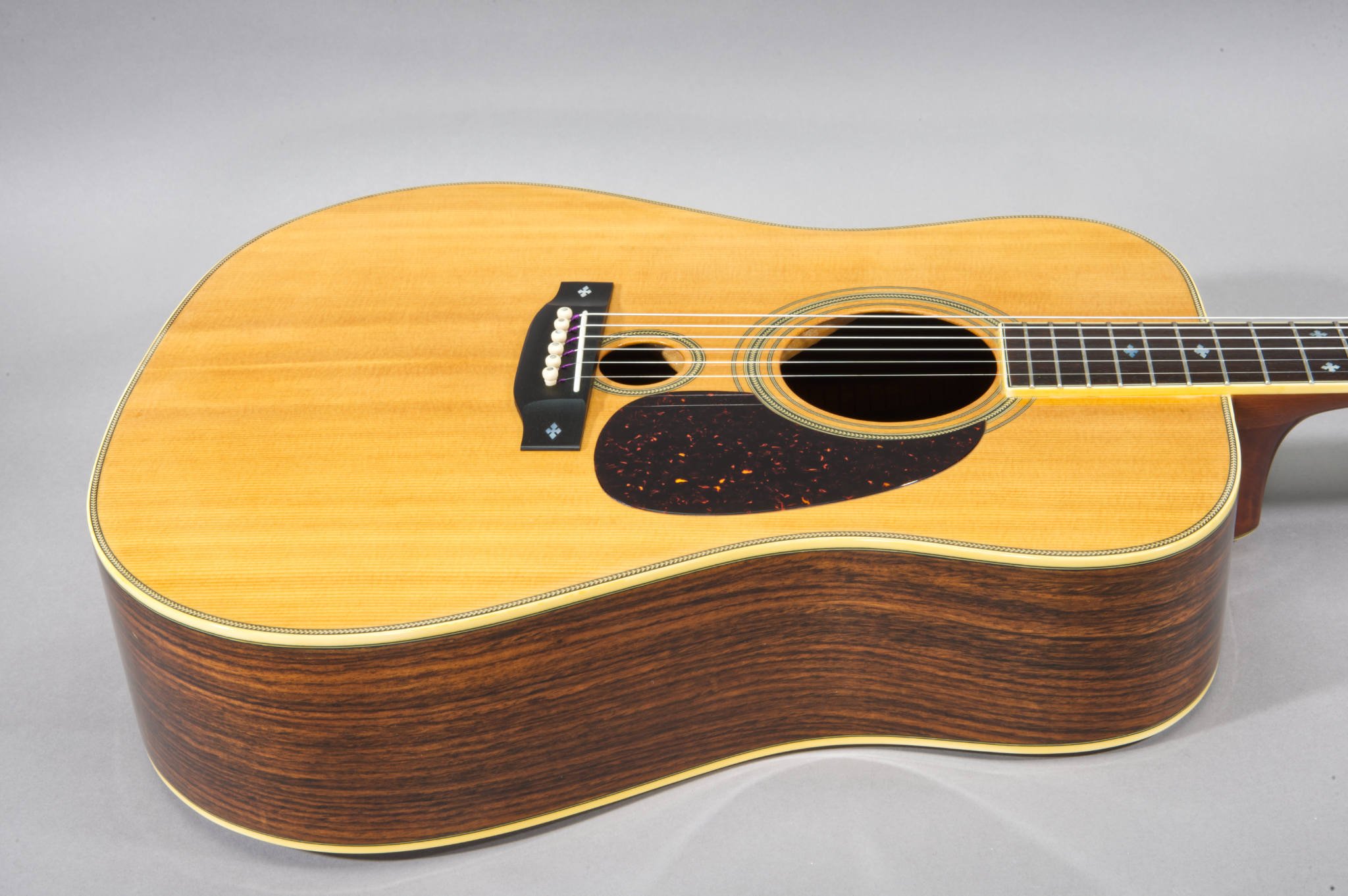
Grand Guitar Cie 1975 (circa), built by Terada Japan
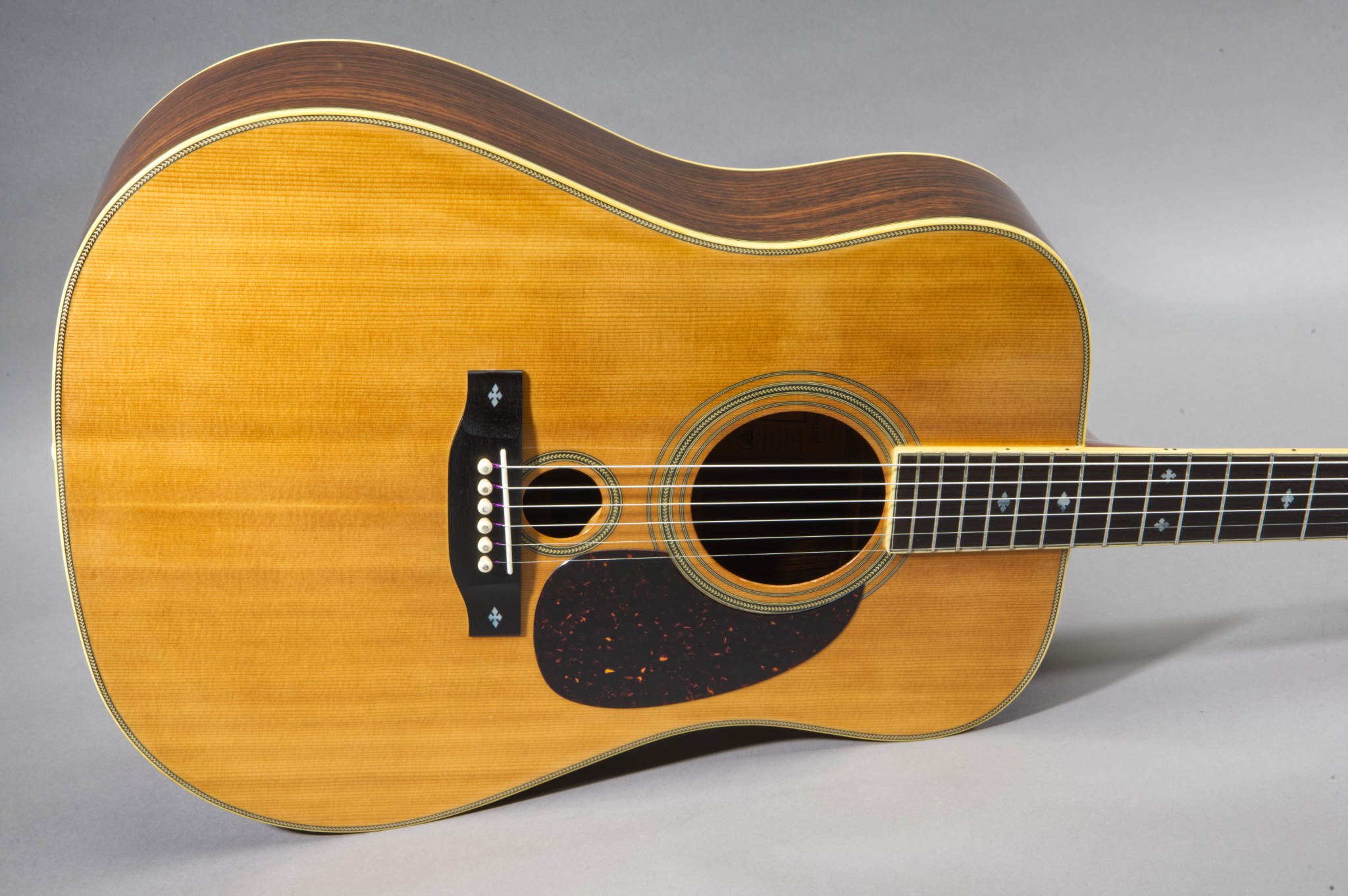
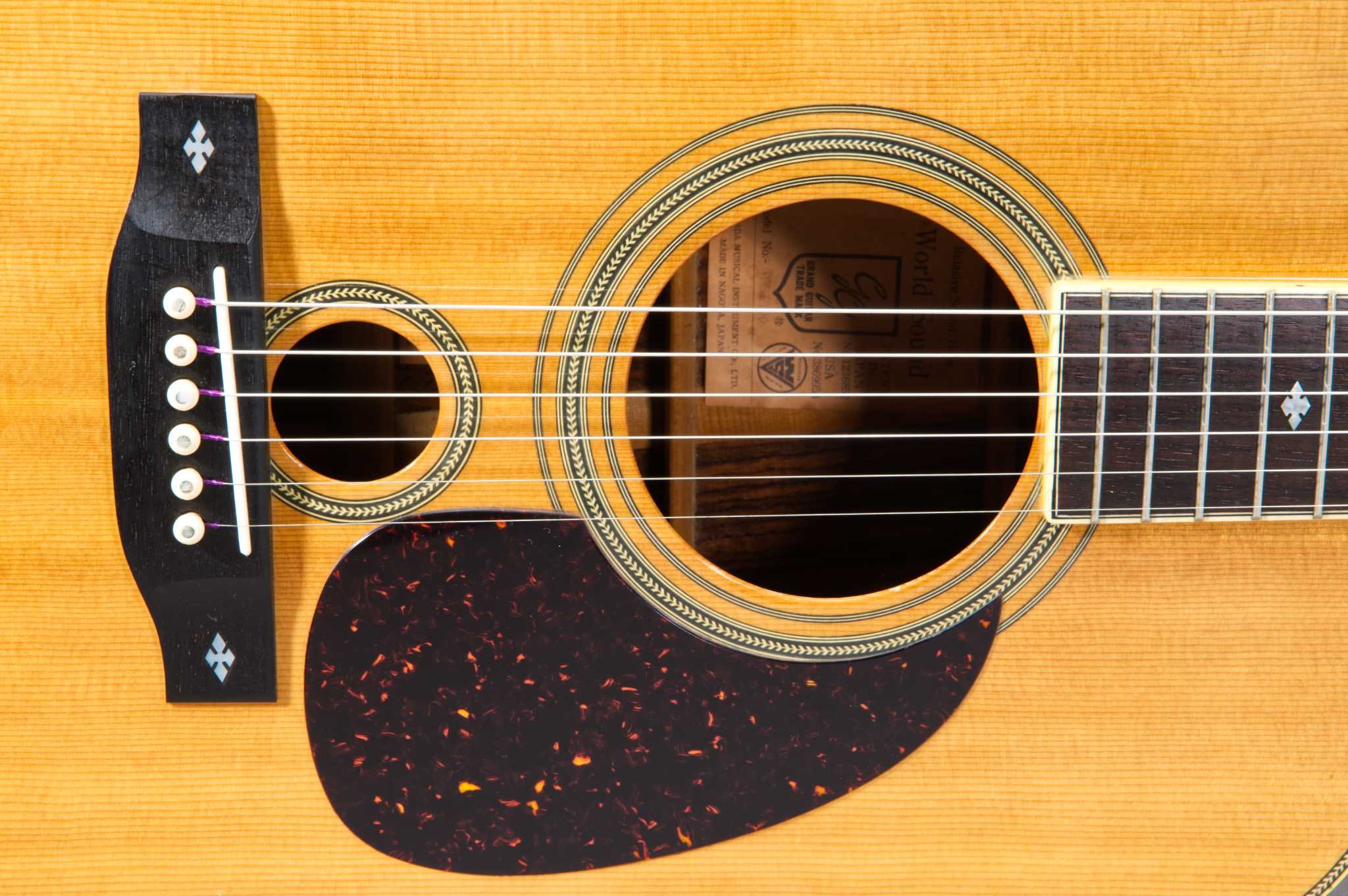
WSF100 Relative Sound Hole in Amber Natural Finish.
Invented by Testuo ITO.
Solid Spruce Top.
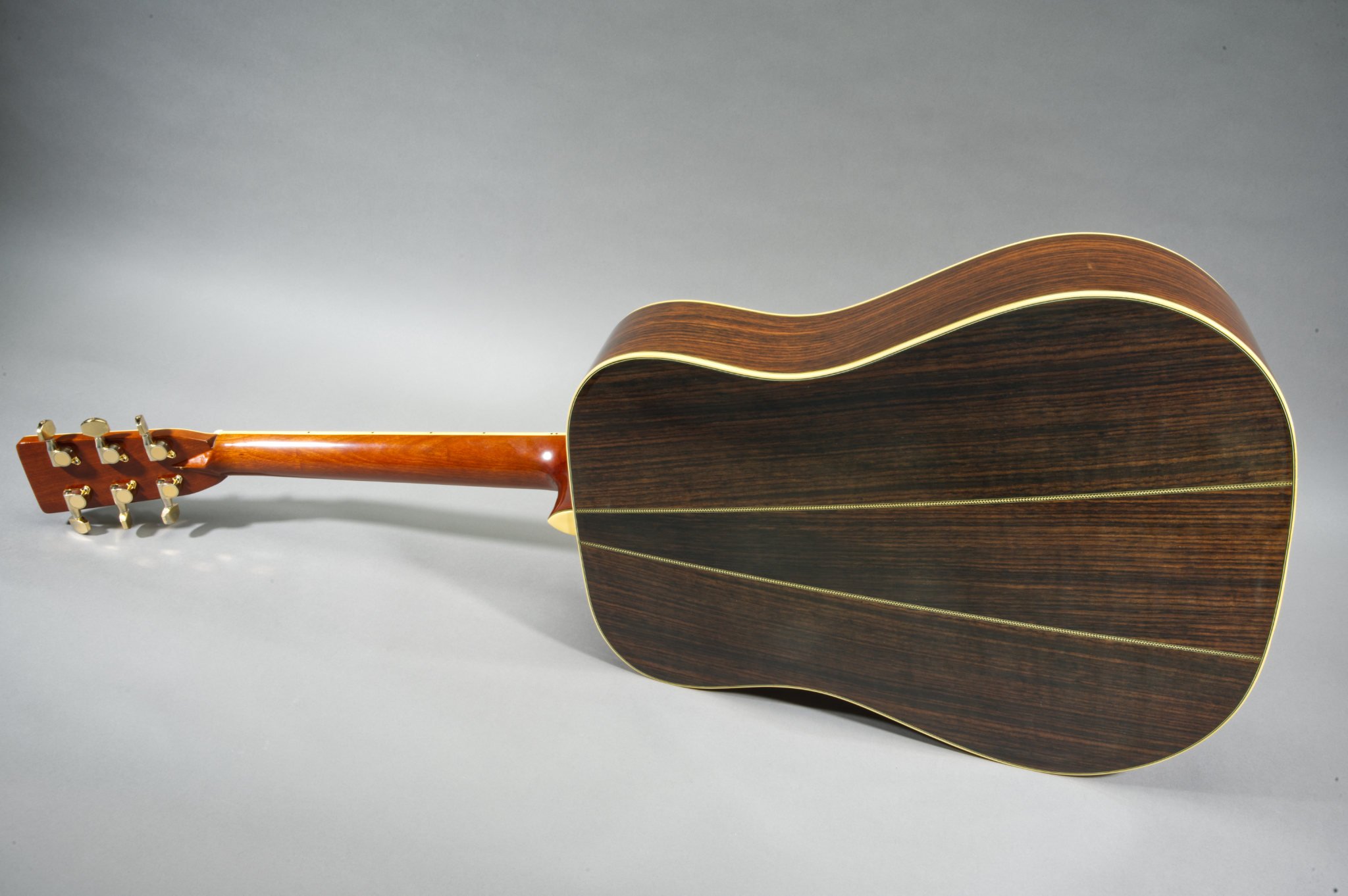
Laminated Rosewood Sides & 3 piece Back.
Herringbone Binding on Top & Back.
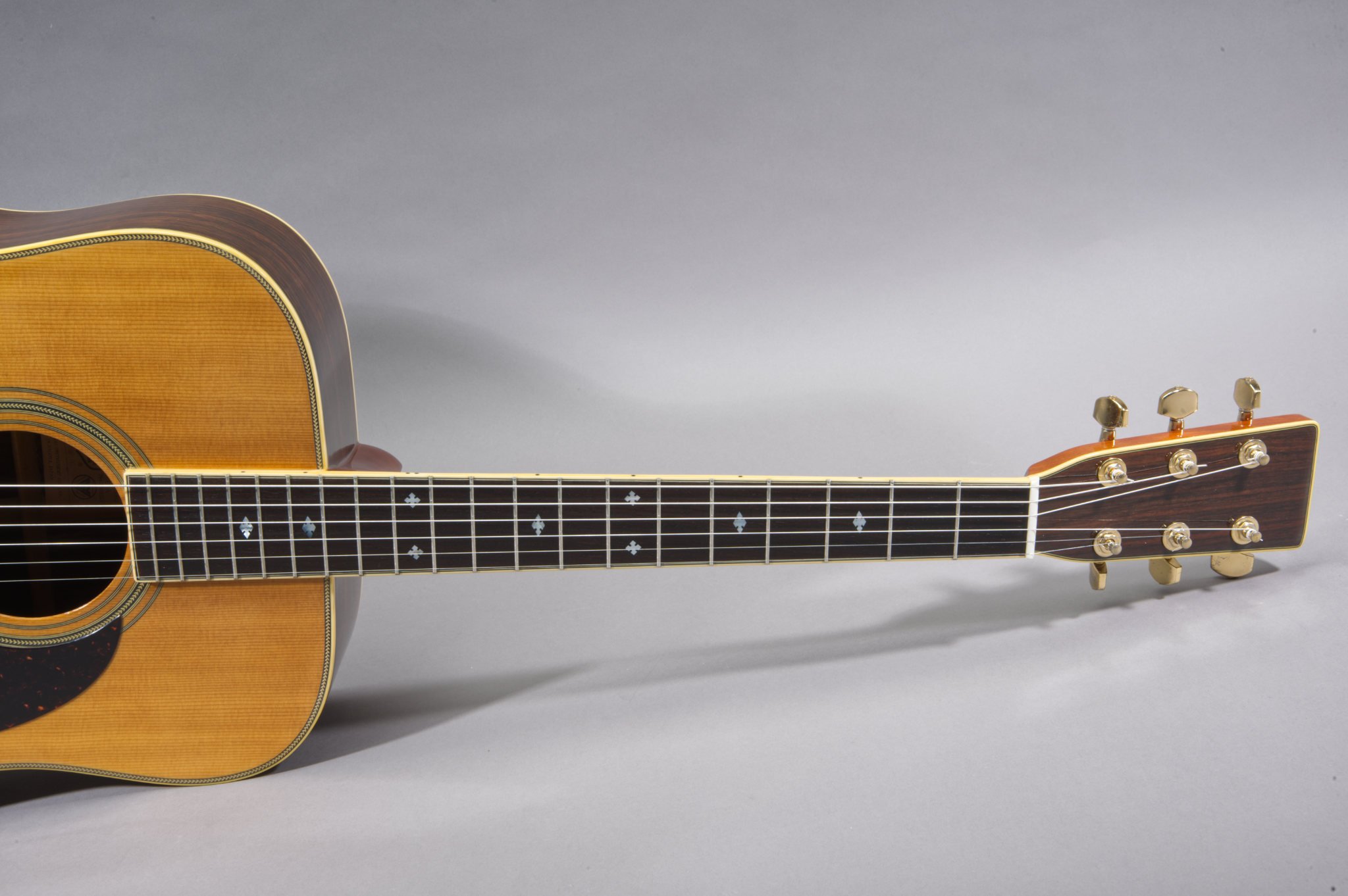
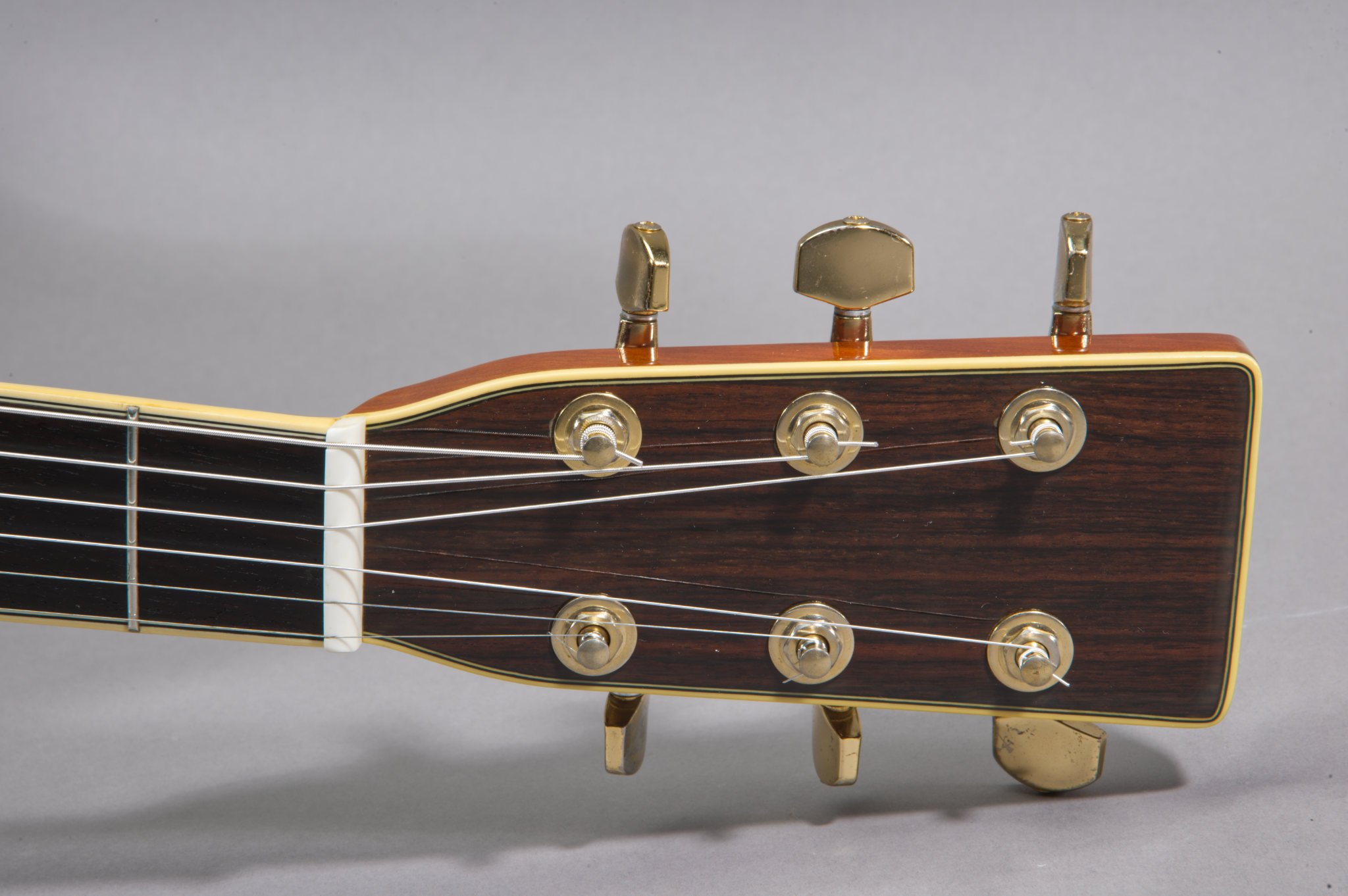
Mahogany Neck with Ebony Fretboard.
Binding on Neck & Headstock.
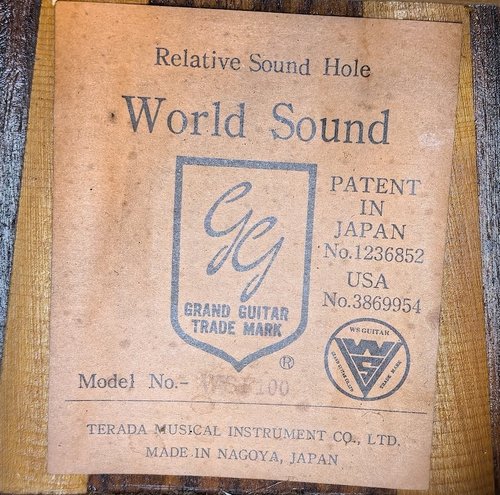
Label Signed by Testuo ITO, Nagoya Japan.
Testuo ITO, patented this invention in Japan in 1973 and in the USA in 1974.
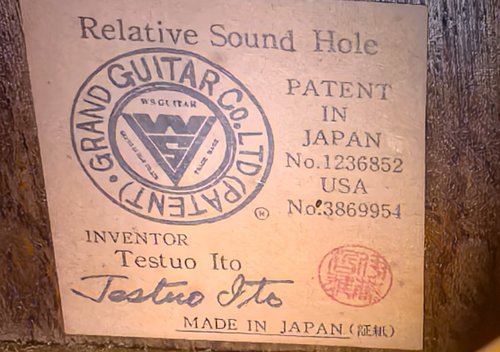
This is an extract from guitarzblogspot.com written by Kevin Kelleher 18 June 2015
According to Testuo Ito, the patent holder of the October 1974 US patent whose name also appears on the Japanese patent sound hole label awarded in 1973, the second sound hole was to decrease noise and produce a clearer tone, which he found was improved only when the second hole was half the size of the main sound hole and placed 1.5 cm from the bridge. Additional holes negated the improvement and he claimed impressive noise reduction.
The two hole guitar was produced by Kiso Suzuki and Grand Guitar Company and possibly related to Yakami and Nagoya guitar company. Some of these guitars were made for export. The two hole sound board apparently did not catch on, though there are some produced for both steel acoustic and classical nylon between 1974 and 1978.
It appears that all of the two sound hole guitars were manufactured by Kiso Suzuki and that the Grand Guitar Company was their label and did so under patent assignment from Testuo Ito (who signed at least one label below his red scripted name on the patent) . All made in Nagoya. I know of one classical, and several WSF 50's and 80's and only one WSF 100 that was apparently a prototype sold in Japan and had a three piece rosewood back and beautiful split diamond inlays on the fretboard and the bridge. When playing the two sound guitar, the volume is significantly less with the second hole is covered as I guess would be expected. It is a very nice sounding instrument..
You can read the whole blog here:
https://guitarz.blogspot.com/2015/06/kiro-suzuki-and-grand-guitar-co.html