Lucien Gelas 1929 Double-Top Mandolin
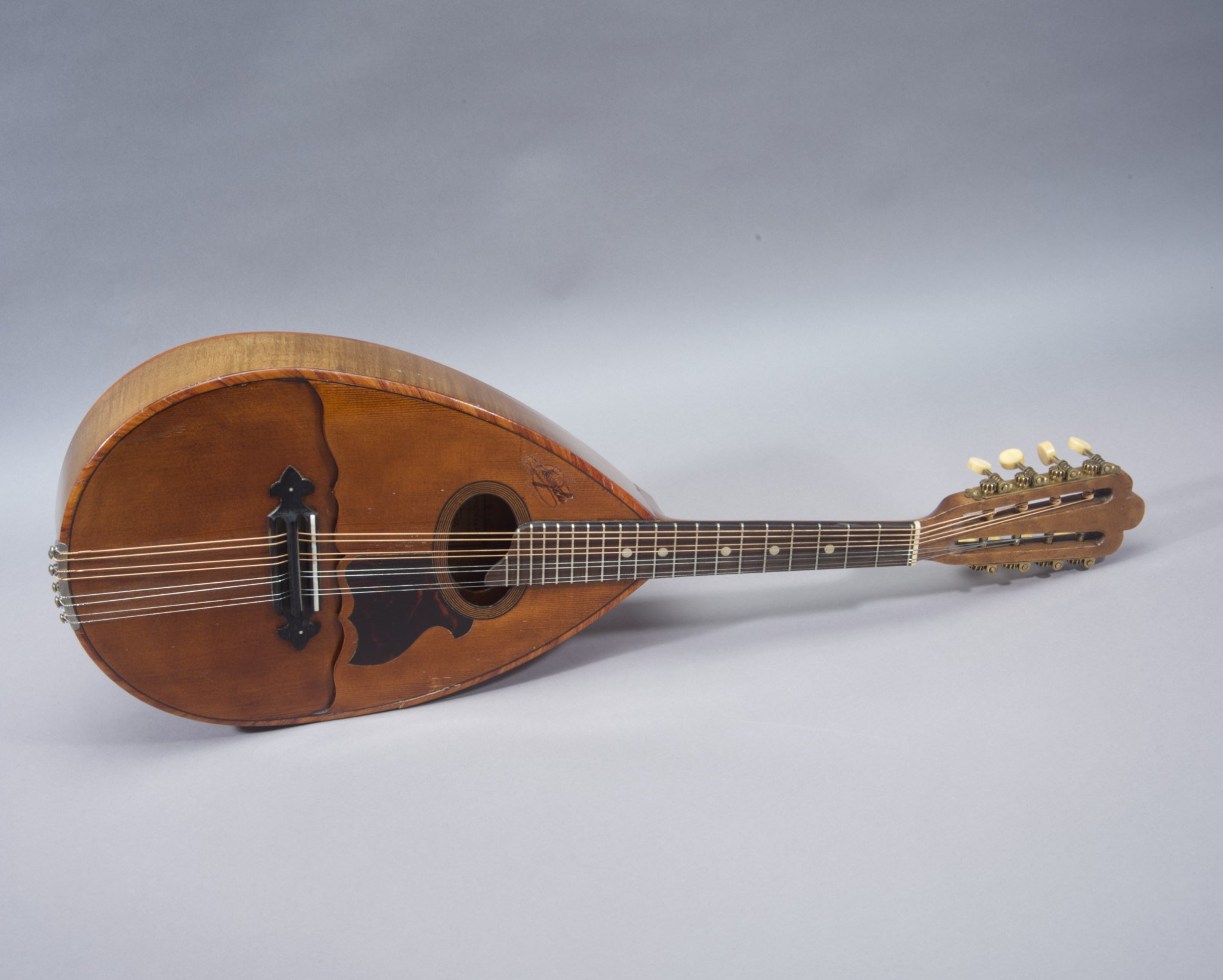
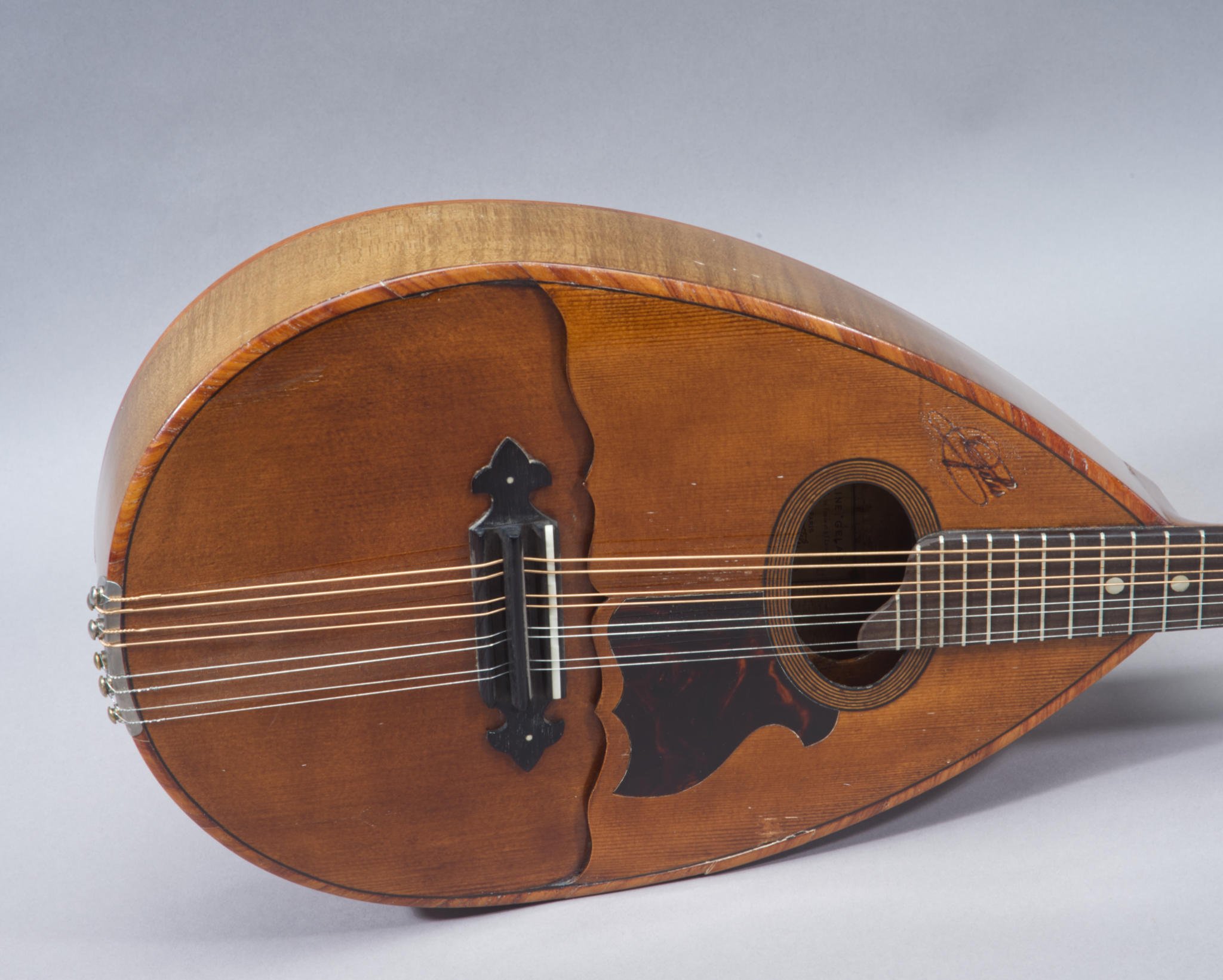
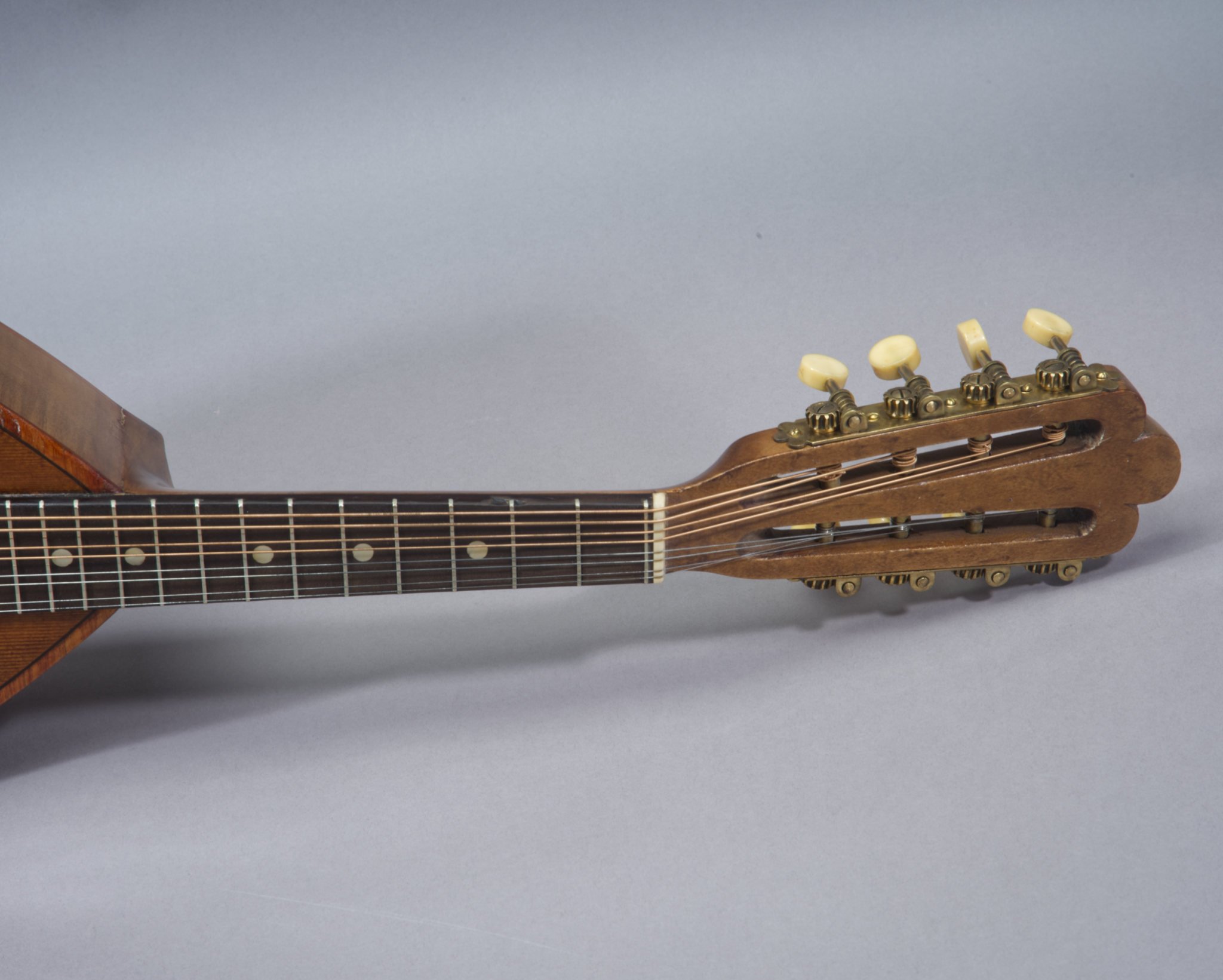
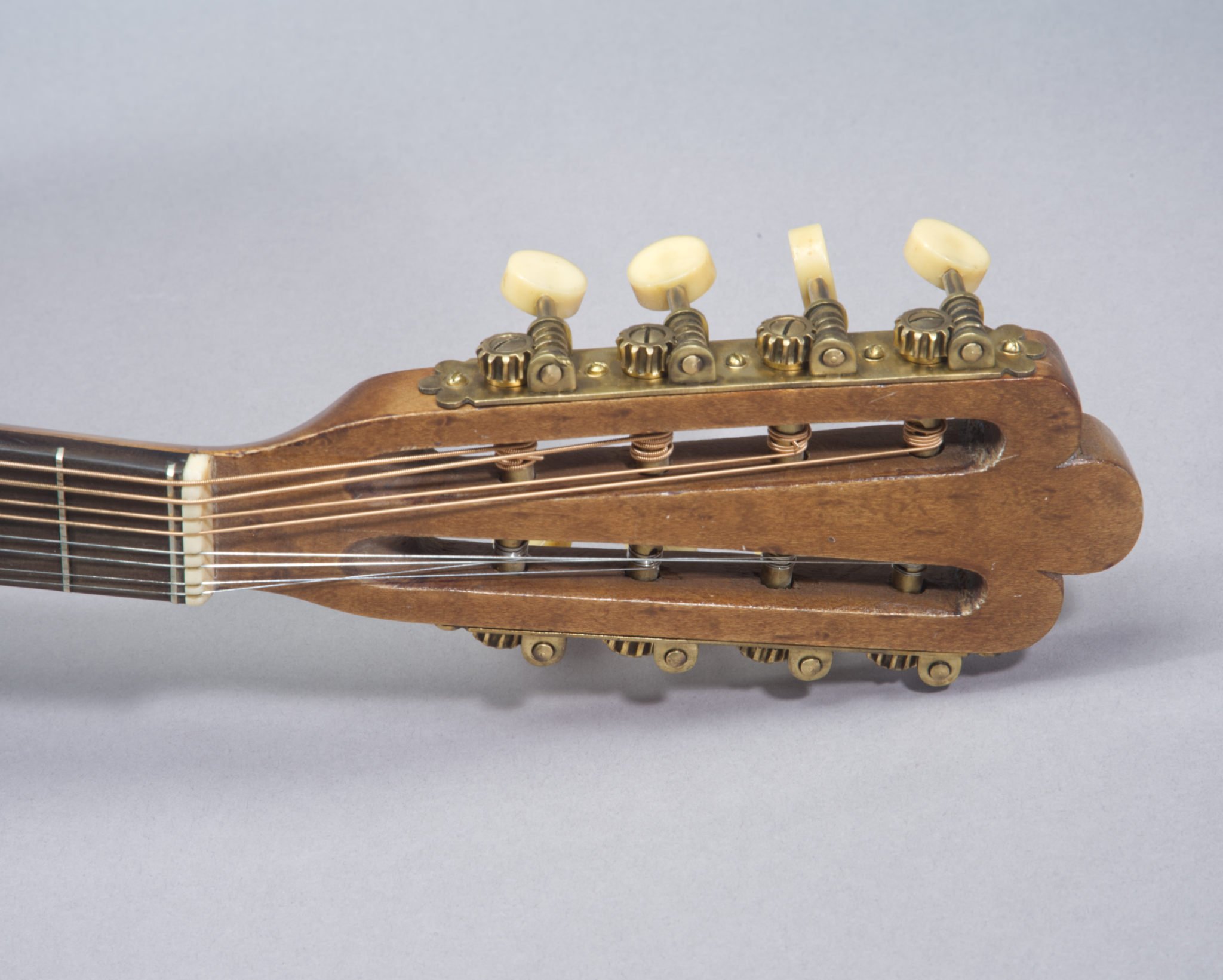
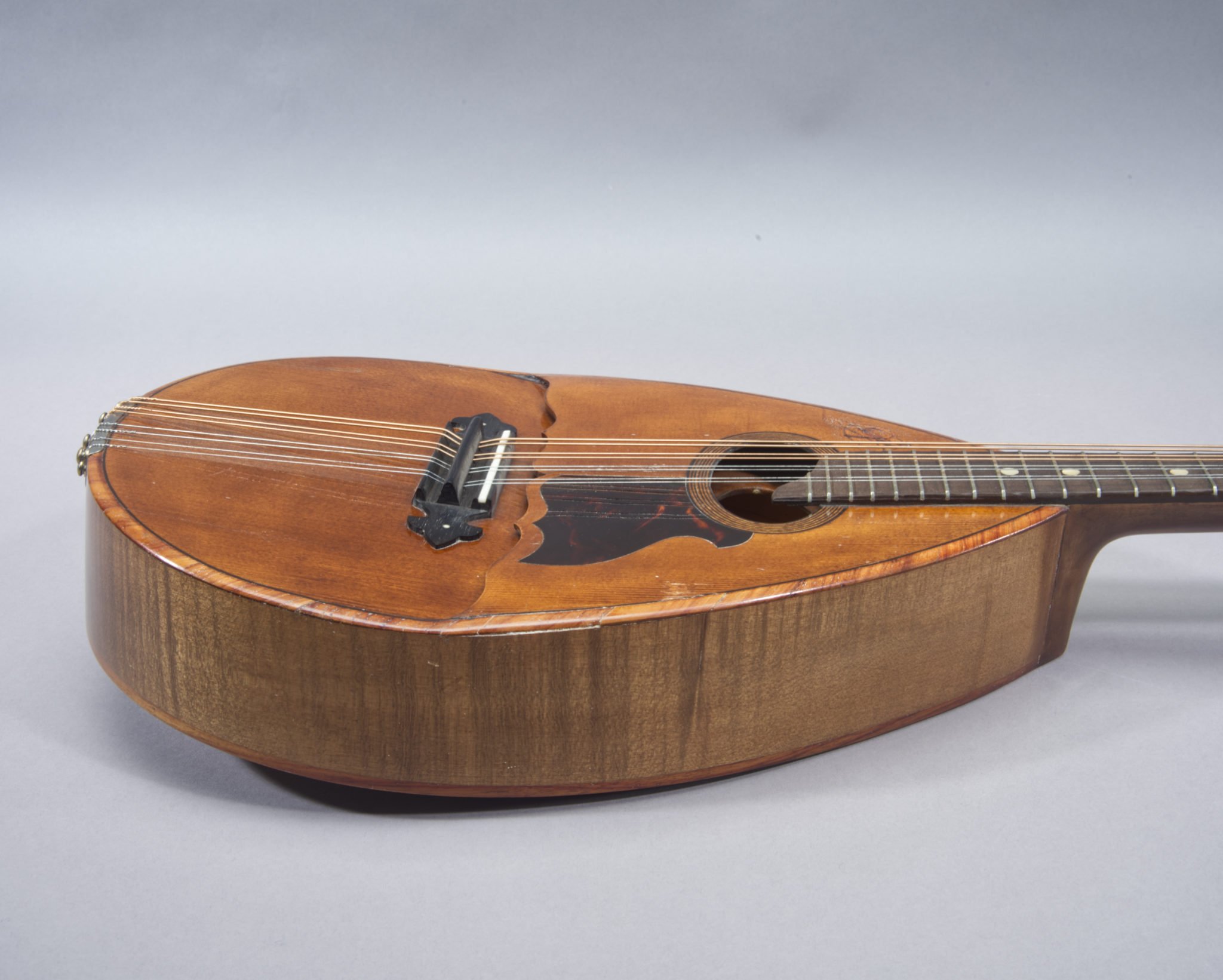
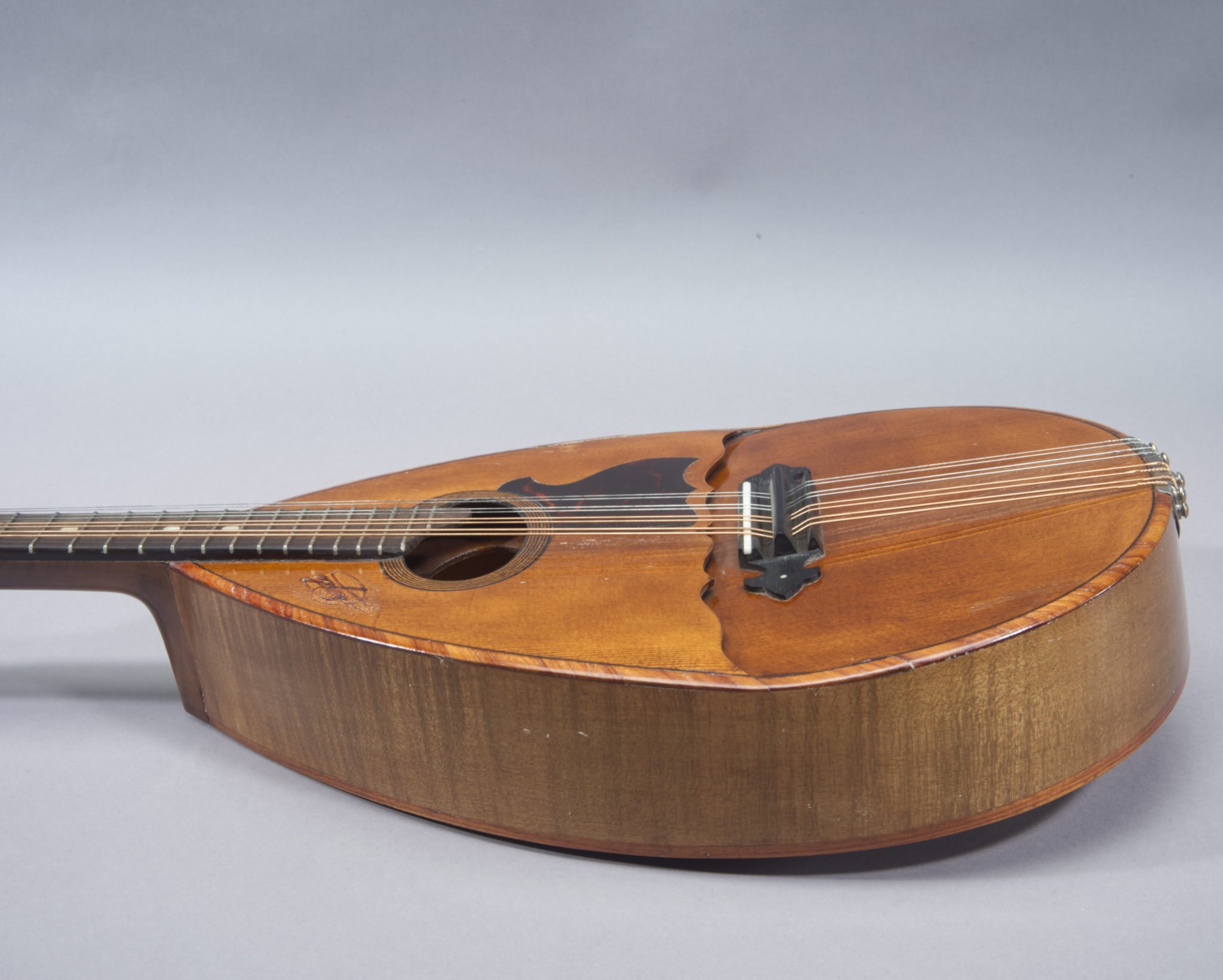
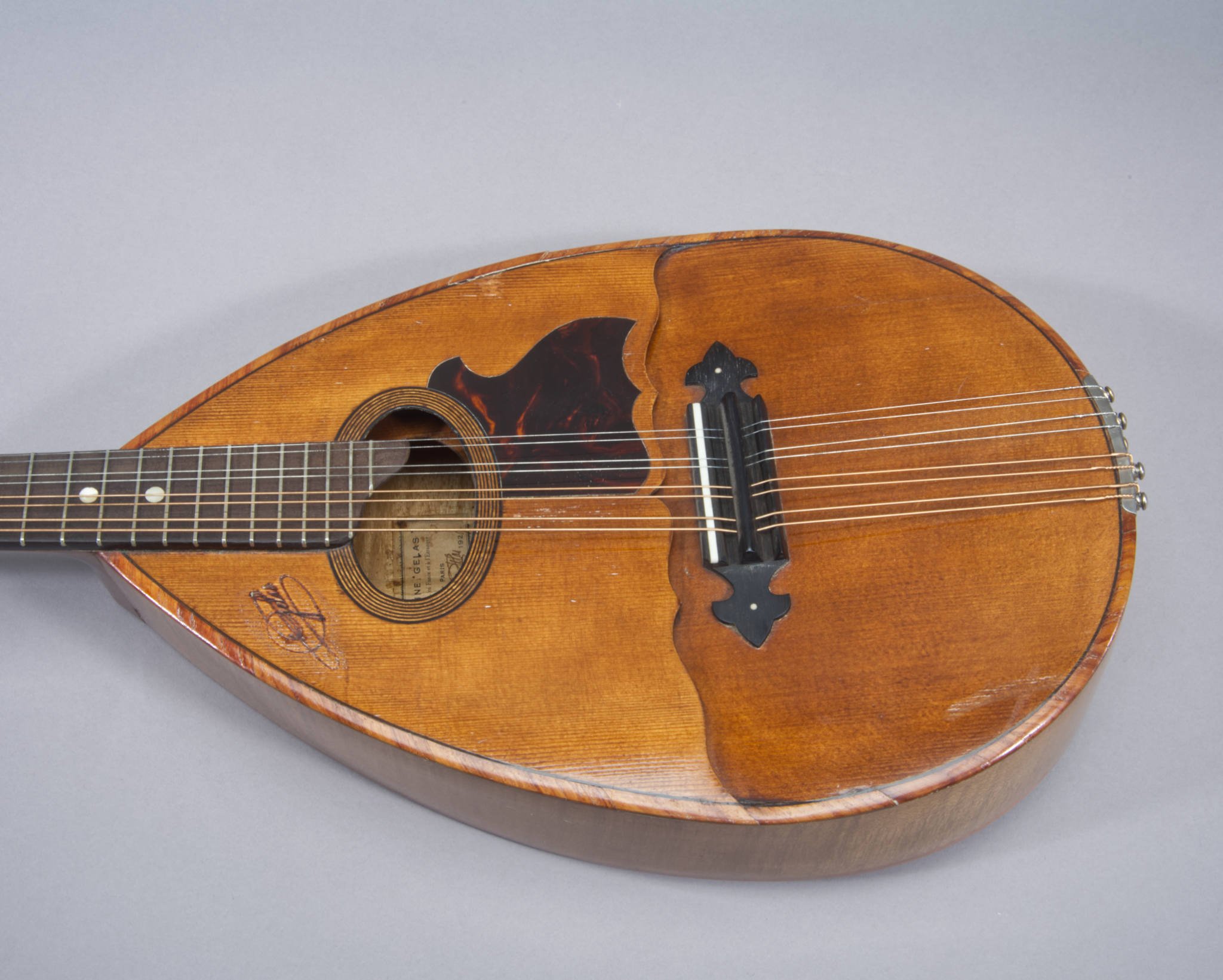
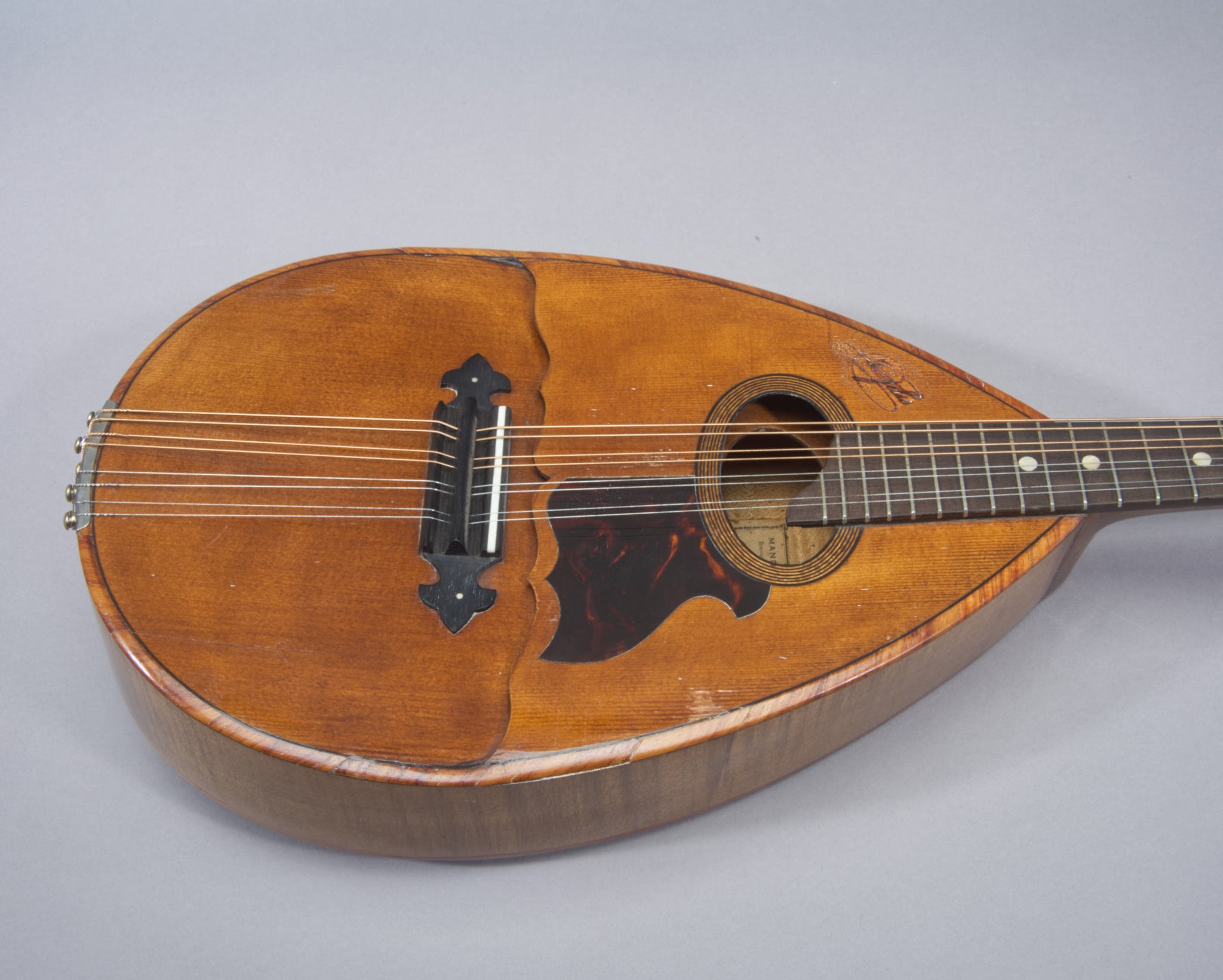
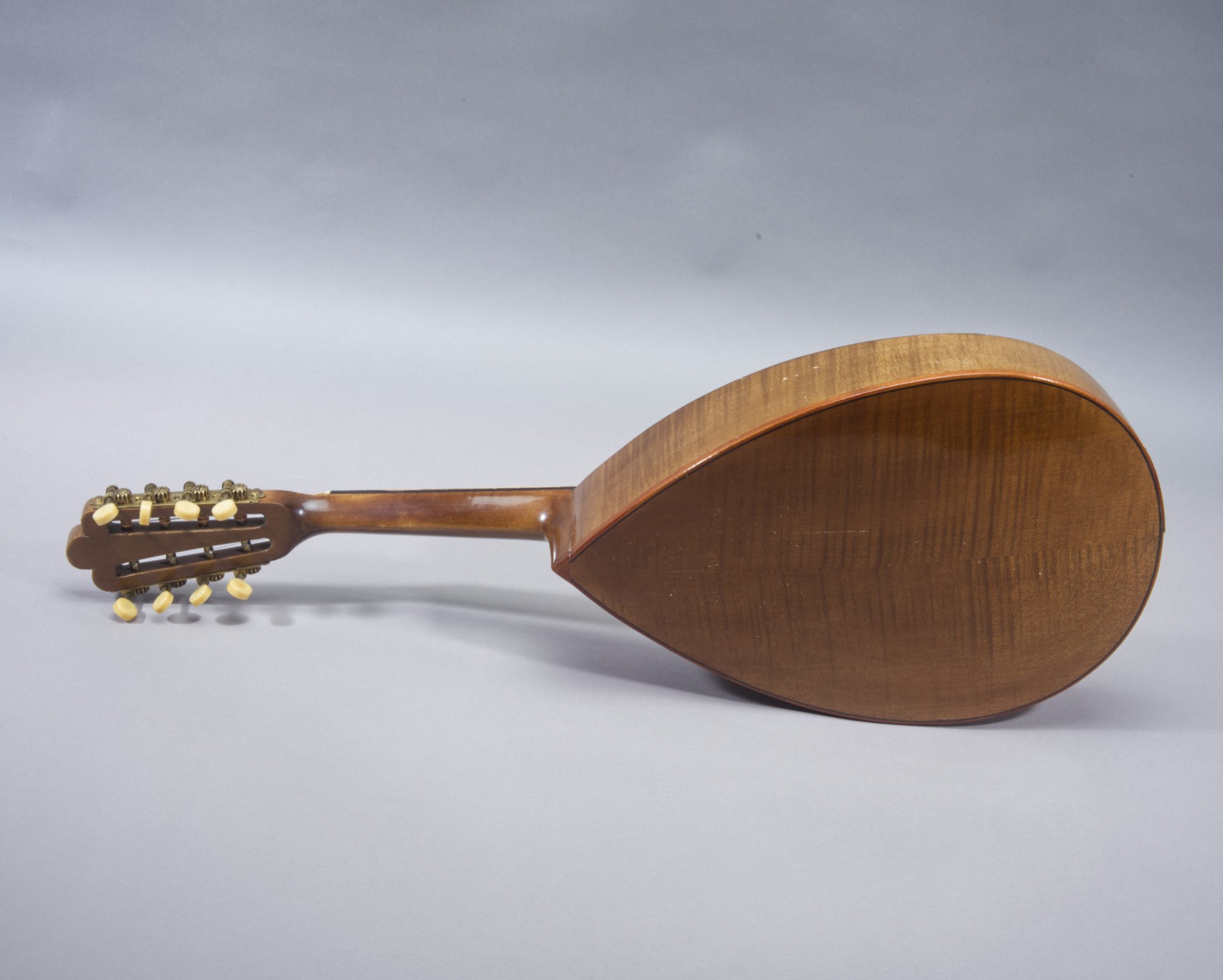
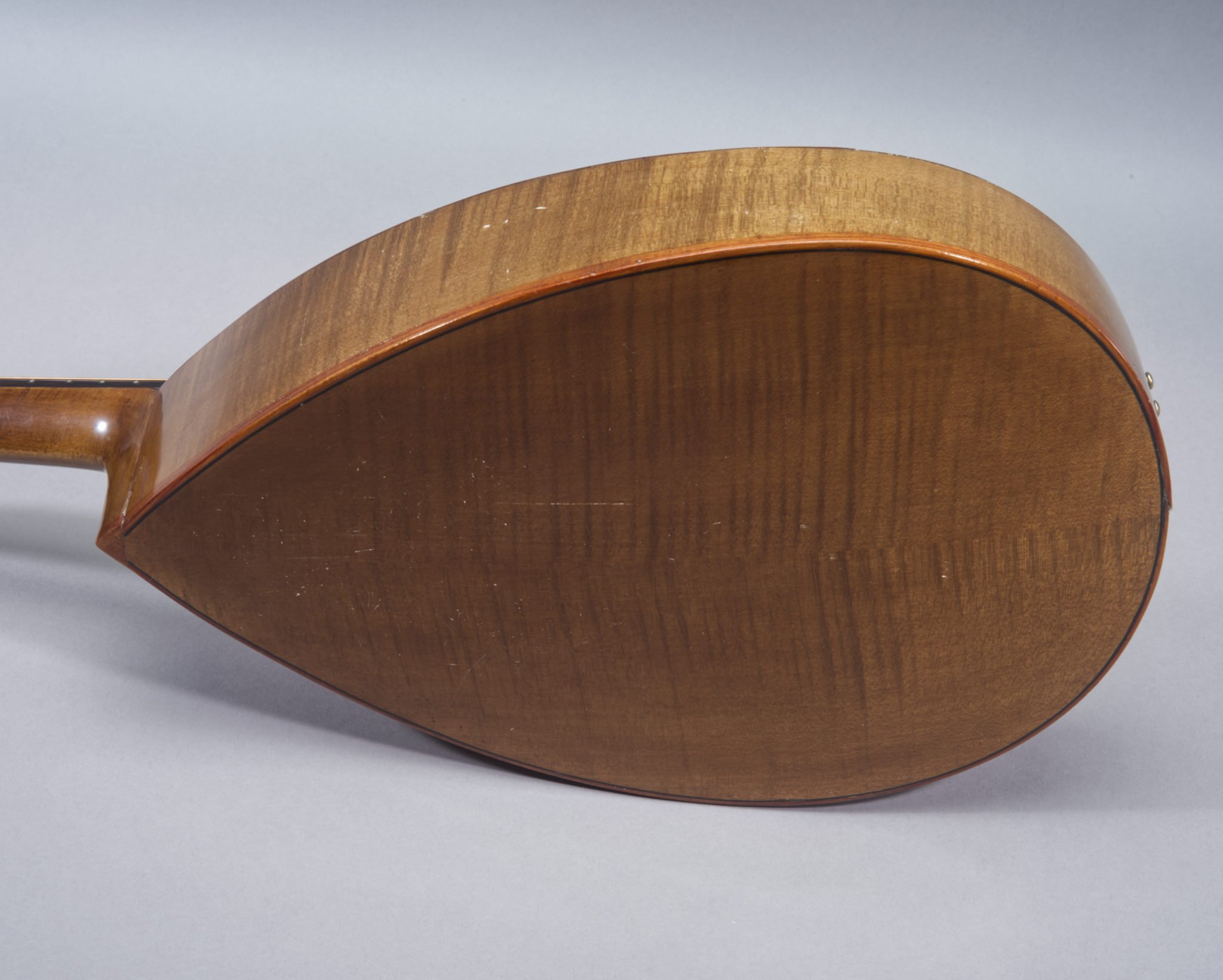
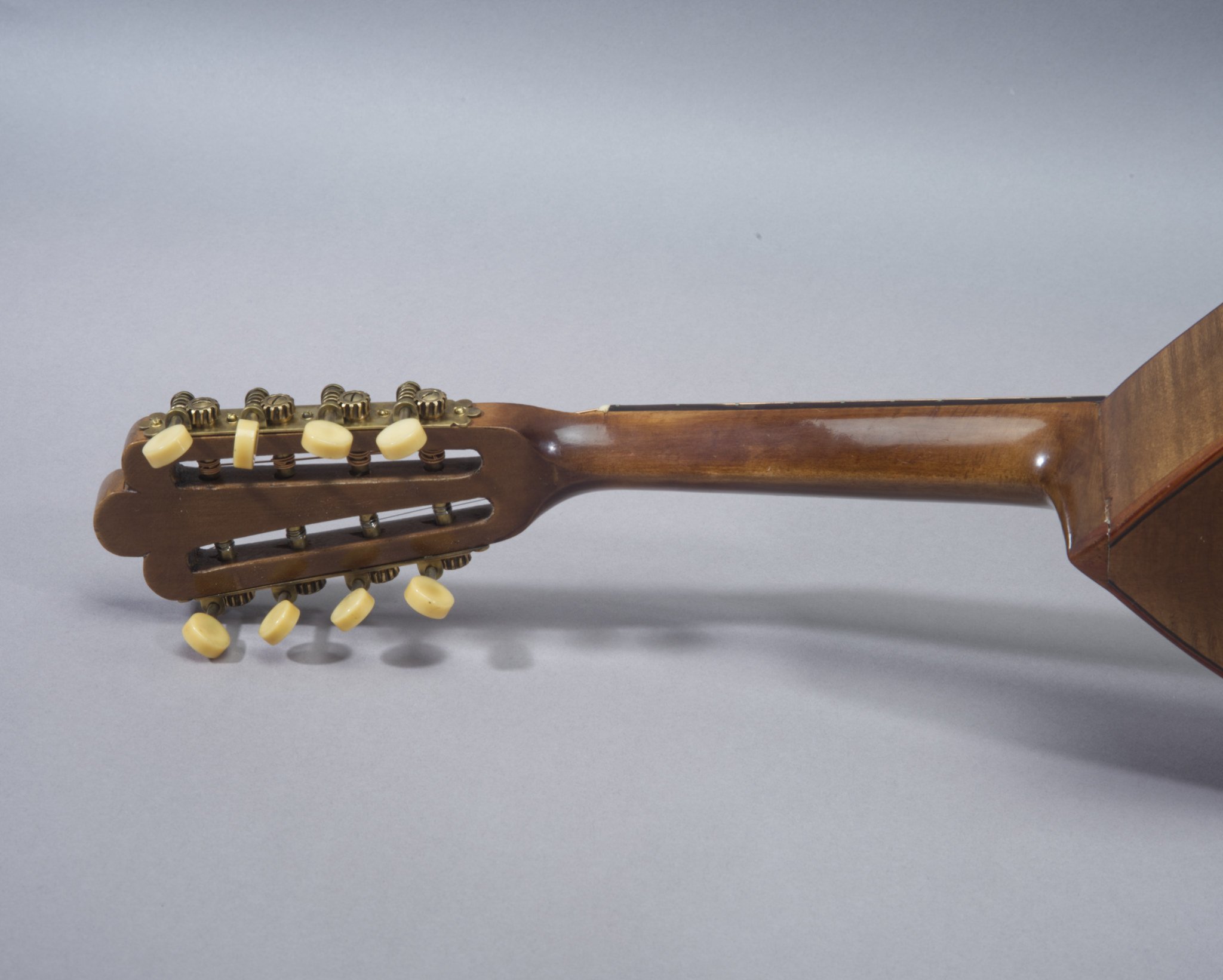
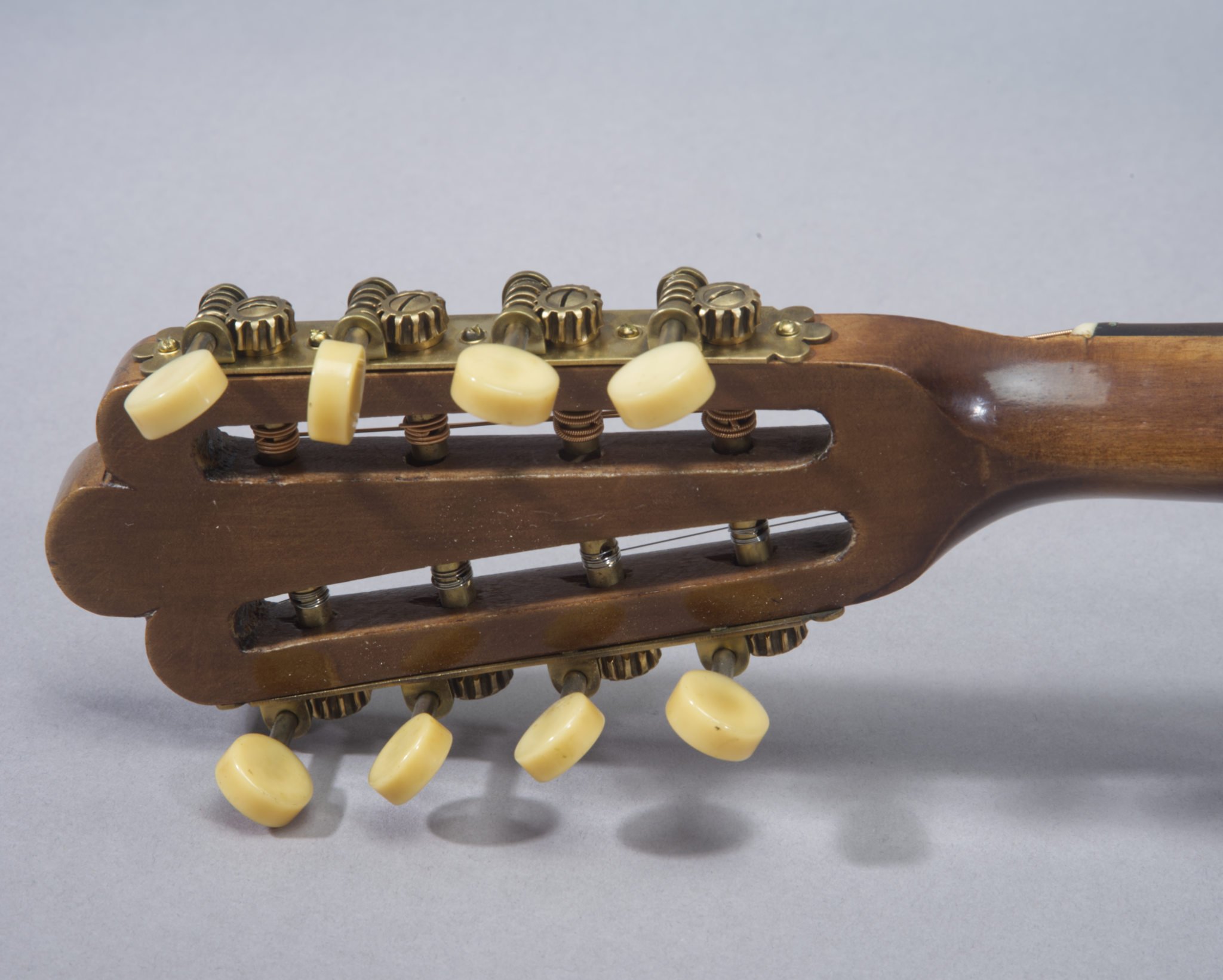

Lucien Gelas 1929 Double-Top Mandolin
Lucien Gelas 1929 Double-Top Mandolin.
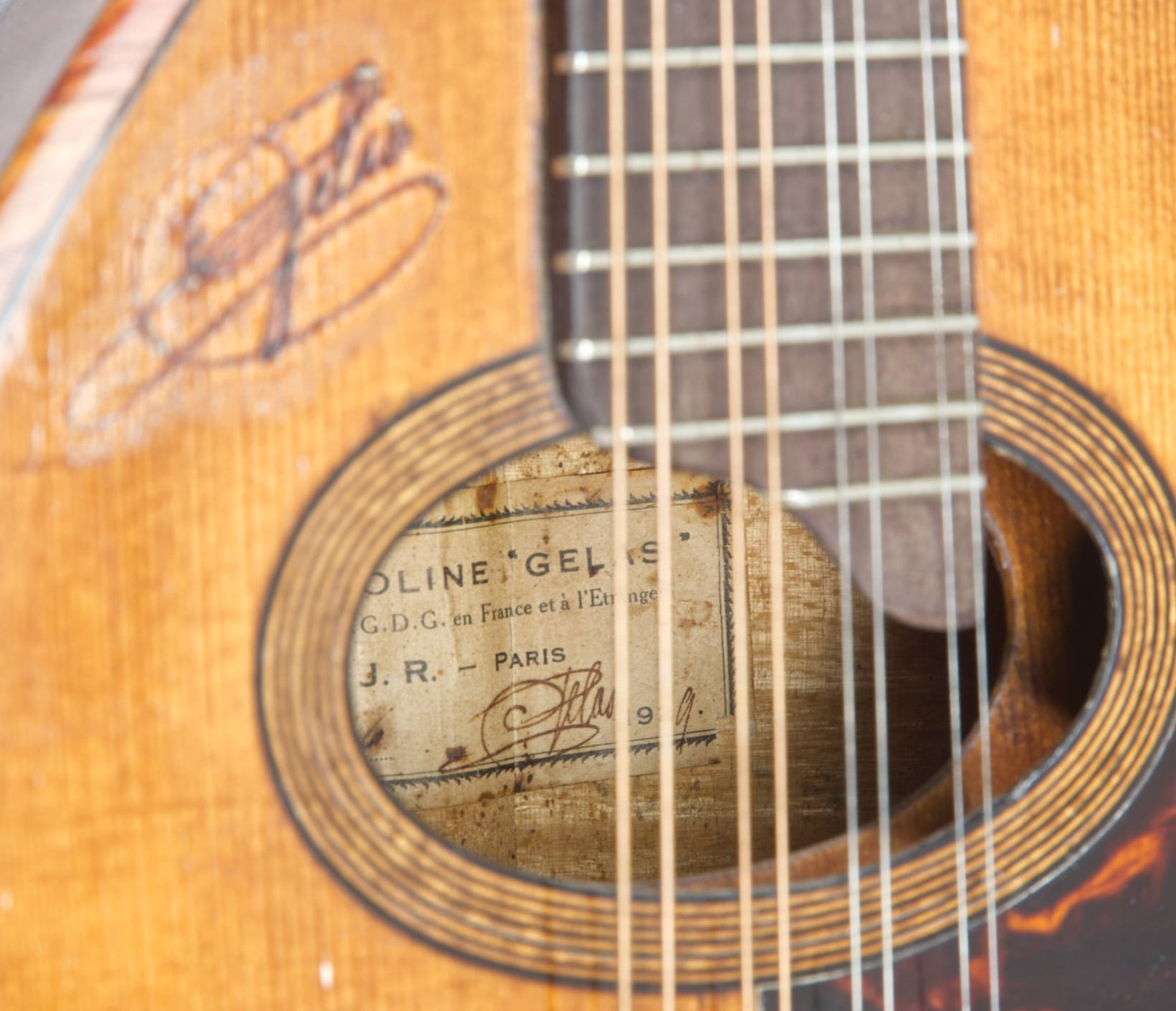
Jean Rowies Label
This Double-Top Concert Mandolin, Gelas-type, dated 1929, belongs to one of the most distinctive chapters in French lutherie for plucked string instruments: the acoustic research centered around the double-top system devised by Lucien Gélas in the early 20th century.
Lucien Gélas, a French luthier, composer, and pedagogue born in 1873, filed as early as 1905 a patent applied to instruments with double soundboards, with the aim of improving projection, clarity, and harmonic richness without sacrificing responsiveness to the player’s touch.
This principle was quickly noticed in the European musical landscape, to the point of being awarded several gold medals at national exhibitions, helping to establish the name Gélas within the world of concert mandolins and plectrum ensembles.
Between the 1910s and 1930s, this double-top concert mandolin aesthetic perfectly met the expectations of musicians seeking greater presence, definition, and volume, at a time when the mandolin was enjoying significant growth in salons, amateur orchestras, and the concert repertoire.
Gélas, who conceived his double-top guitars as instruments with dual resonance, extended the principle to other instruments, including the mandolin, entrusting their construction to luthiers such as Gaudet, Beuscher, Richard Jacob, and Jean Roviès.
In short, this 1929 Double-Top Mandolin, Gelas-type, combines the historical significance of a French innovation, the heritage charm of a vintage instrument, and the musical appeal of a design conceived to serve both melodic precision and sonic breadth.